You Won’t Believe What Johannesburg’s Art Scene Is Hiding
Johannesburg isn’t just gold and history—its art spaces are rewriting the city’s soul. I went looking for beauty and found raw, unfiltered creativity pulsing through old factories and back-alley galleries. From street murals that speak volumes to studios where culture breathes new life, Jo’burg surprised me at every corner. This isn’t just sightseeing—it’s connection, expression, and transformation. Let’s dive into the heart of a city that paints its truth boldly and unapologetically.
Why Johannesburg’s Art Scene Stands Out
Johannesburg has long been associated with gold, mining, and industrial might, but beneath its gritty surface lies a cultural renaissance that is redefining the city’s identity. Once seen primarily as a financial capital, Jo’burg has evolved into one of Africa’s most dynamic centers for contemporary art. This transformation is not accidental; it is rooted in history, resilience, and a powerful desire for self-expression. The end of apartheid created space for voices that had long been silenced, and artists across generations seized the moment to reclaim public spaces, tell forgotten stories, and imagine new futures.
What makes Johannesburg’s art scene truly distinctive is its authenticity. Unlike more polished art capitals, Jo’burg’s creative energy emerges organically—from alleyways, rooftops, and repurposed buildings. There’s an urgency here, a sense that art is not merely decorative but essential. It reflects social realities, challenges historical narratives, and fosters dialogue across communities. The city’s complex past continues to influence its artistic output, with themes of identity, migration, inequality, and hope recurring throughout exhibitions and installations.
Urban renewal has played a crucial role in this artistic flourishing. As parts of the inner city faced decline, artists and entrepreneurs saw opportunity where others saw decay. Abandoned warehouses and disused office blocks were transformed into studios, galleries, and performance spaces. These adaptive reuse projects not only preserved architectural heritage but also gave artists affordable places to work and exhibit. The shift from industrial to cultural use has revitalized neglected neighborhoods, drawing visitors and investment while maintaining a grassroots spirit.
Today, Johannesburg stands as a model of how art can drive urban regeneration without succumbing to gentrification’s pitfalls—at least in certain pockets. Community-led initiatives ensure that local residents remain central to the cultural conversation. This balance between innovation and inclusion is rare and valuable. For travelers seeking meaningful experiences, engaging with Jo’burg’s art scene offers insight into the soul of a city still writing its story, one brushstroke at a time.
Maboneng Precinct: Where Grit Meets Glamour
If there’s one neighborhood that captures the spirit of Johannesburg’s artistic rebirth, it’s Maboneng. Once a neglected industrial zone marked by vacant buildings and underused streets, Maboneng—meaning “place of light” in Sotho—has become a beacon of urban creativity. Over the past decade, this inner-city district has undergone a remarkable transformation, emerging as a hub for artists, designers, entrepreneurs, and cultural tourists. Walking through its streets feels like stepping into a living canvas, where every corner reveals something unexpected: a sculpture garden in an old parking lot, a pop-up exhibition in a converted factory, or a mural that stretches across five stories of weathered brick.
At the heart of Maboneng’s cultural offering is the Museum of Contemporary Art Africa (MOCAA), a space dedicated exclusively to modern and contemporary African art. Unlike traditional museums, MOCAA emphasizes accessibility and relevance, curating exhibitions that speak directly to current social issues while showcasing technical mastery and innovation. The museum’s rotating displays feature both established and emerging artists, offering visitors a panoramic view of the continent’s evolving artistic landscape. Its location within a repurposed industrial building reinforces the message that art thrives in spaces once deemed obsolete.
Equally vital to the precinct’s appeal is Arts on Main, a weekend market that blends art, design, food, and music. Held in a cluster of renovated warehouses, the market draws crowds seeking handmade crafts, limited-edition prints, and locally sourced cuisine. It’s more than a shopping destination—it’s a social event where creatives connect with patrons and families enjoy a day out. Nearby, First Street Studios houses dozens of working artists who open their doors to the public during special events, allowing guests to witness the creative process firsthand. These interactions foster deeper appreciation and often lead to lasting connections between visitors and makers.
For those planning a visit, timing and safety are key considerations. Maboneng is best explored during daylight hours, particularly on weekends when events and markets are in full swing. While the area has seen significant improvements in security, it’s wise to remain aware of surroundings, stick to well-trafficked areas, and avoid walking alone after dark. Parking is available in designated lots, though ride-sharing services or guided tours offer a more convenient and secure option. With its vibrant energy and accessible charm, Maboneng exemplifies how art can breathe new life into a city—and invite the world to take notice.
Street Art with a Story: The Murals of Newtown and Braamfontein
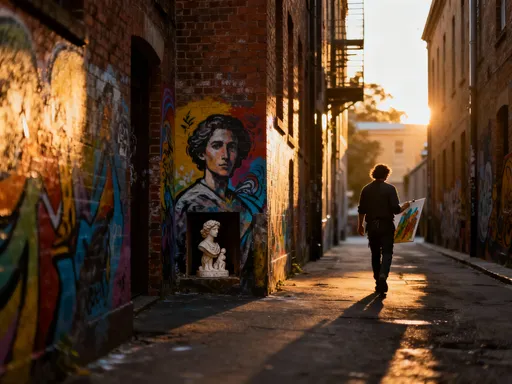
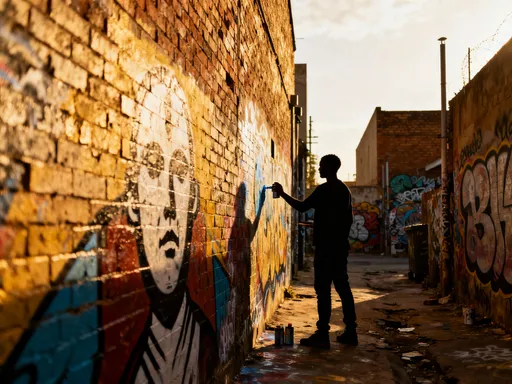
One of the most powerful forms of artistic expression in Johannesburg can be found not behind glass or within gallery walls, but on the sides of buildings, under bridges, and along pedestrian walkways. The city’s street art movement is a visual chronicle of its social evolution, where murals serve as both protest and celebration. In neighborhoods like Newtown and Braamfontein, these large-scale paintings transform ordinary walls into storytelling surfaces, reflecting the hopes, struggles, and resilience of local communities.
Newtown, historically a hub for performing arts and cultural institutions, has embraced street art as a way to revitalize its public spaces. Here, murals depict scenes of unity, historical figures, and abstract representations of freedom and justice. Some works pay tribute to anti-apartheid leaders, while others highlight contemporary issues such as gender equality, environmental sustainability, and youth empowerment. The art is not static; it evolves with the times, often responding to current events or community initiatives. This responsiveness gives the murals a sense of immediacy and relevance that few other art forms can match.
Braamfontein, home to several universities and a youthful population, boasts a different but equally compelling street art culture. The area’s walls are canvases for experimentation, where emerging artists test new styles and techniques. Colorful geometric patterns, surrealist imagery, and bold typographic designs coexist alongside socially conscious messages. What sets Braamfontein apart is the collaborative nature of many projects—students, local residents, and visiting artists often work together to create pieces that reflect shared values and aspirations.
For visitors, exploring these neighborhoods on foot offers an immersive way to engage with Jo’burg’s creative pulse. Guided walking tours, led by local art advocates, provide context and insight into the meanings behind specific murals. These tours often include stops at community centers, small galleries, and cafes that support local artists. Photographers will find endless opportunities for compelling shots, especially during golden hour when sunlight enhances the vibrancy of the colors. More than just sightseeing, this kind of exploration fosters empathy and understanding, allowing travelers to see the city through the eyes of those who live and create here.
Hidden Studios and Artist Residencies Off the Beaten Path
Beyond the well-known precincts and public murals, Johannesburg harbors a network of hidden creative spaces that reveal the city’s deeper artistic currents. Tucked away in unassuming industrial zones and quiet side streets, these studios and artist residencies operate as incubators for innovation and collaboration. They are not always marked on maps or advertised online, but for those willing to seek them out, they offer some of the most authentic encounters with Jo’burg’s art community.
Many of these spaces occupy repurposed warehouses or former manufacturing buildings, their raw architecture providing ample natural light and expansive walls ideal for large-scale works. Some function as collective studios, where multiple artists share resources, tools, and ideas. This cooperative model lowers barriers to entry, especially for younger or less financially secure creatives, and fosters a culture of mentorship and mutual support. In these environments, art is not created in isolation but through dialogue, critique, and shared experience.
One of the most rewarding ways to access these spaces is during open studio events, which occur periodically throughout the year. Organized by collectives or cultural organizations, these events invite the public to step inside working studios, meet the artists, and observe works in progress. It’s common to find painters layering oil on canvas, sculptors shaping metal or wood, and digital artists experimenting with projection mapping—all within the same building. These visits demystify the creative process and allow travelers to appreciate the effort and intention behind each piece.
For visitors interested in participating respectfully, a few guidelines apply. First, always confirm whether a studio is open to the public before arriving. Many operate by appointment only or host events on specific dates. Second, approach interactions with humility and curiosity—artists appreciate genuine interest more than superficial praise. Third, consider supporting their work by purchasing small items or making donations, even if you’re not buying a major piece. These gestures contribute to sustainable creative ecosystems and help ensure that these spaces continue to thrive.
Galleries That Matter: From Established Names to Emerging Voices
While Johannesburg’s street art and independent studios capture the city’s grassroots energy, its formal gallery scene provides a structured platform for deeper engagement with contemporary African art. Institutions like Goodman Gallery and Stevenson have earned international recognition for their curatorial excellence and commitment to showcasing artists who challenge conventions and expand narratives. These galleries do more than display art—they shape conversations, influence trends, and connect local talent with global audiences.
Goodman Gallery, founded in 1966, holds a distinguished place in South Africa’s art history. Throughout the apartheid era, it provided a rare platform for politically engaged artists, many of whom faced censorship or persecution. Today, it continues to champion work that addresses social justice, memory, and identity. Exhibitions often feature multimedia installations, archival materials, and interactive components that invite viewers to reflect on complex histories. The gallery also supports educational programs and artist talks, making it a hub for learning as well as viewing.
Stevenson, with locations in both Johannesburg and Cape Town, distinguishes itself through its emphasis on conceptual rigor and aesthetic innovation. Its exhibitions frequently explore themes of migration, urbanization, and the body, often blending personal narratives with broader sociopolitical commentary. The gallery represents a diverse roster of artists, including many women and younger practitioners whose voices might otherwise go unheard. By maintaining high curatorial standards and fostering long-term relationships with artists, Stevenson contributes to the sustainability of the creative sector.
For visitors, planning a gallery tour requires some research. Most major galleries update their exhibition schedules online, and many offer free admission or suggested donations. It’s advisable to check opening hours in advance, as some close on Mondays or have limited weekend availability. When visiting, observe standard gallery etiquette: speak quietly, refrain from touching artworks, and ask permission before photographing pieces. Engaging with staff or docents can enhance the experience, as they often provide background on the artists and curatorial intent. These spaces may feel more formal than street art or markets, but they offer invaluable context for understanding the depth and diversity of Jo’burg’s artistic output.
Art Meets Everyday Life: Markets, Cafés, and Cultural Fusion
In Johannesburg, art is not confined to designated institutions—it spills into daily life, shaping how people eat, shop, and socialize. Across the city, markets, cafés, and boutique stores have embraced creativity as a core part of their identity. These spaces blend functionality with aesthetics, offering environments where culture and commerce coexist harmoniously. For travelers, they provide accessible entry points into the local art scene, often at a more intimate scale than formal galleries.
The Neighbourgoods Market, held every Saturday in Braamfontein, is a prime example of this integration. Housed in a restored industrial complex, the market combines gourmet food stalls, live music, and rotating art installations. Local designers sell handcrafted jewelry, textiles, and ceramics, while photographers and illustrators display prints for sale. The atmosphere is lively yet relaxed, drawing a diverse crowd of families, students, and tourists. Because the vendors change weekly, repeat visits offer fresh discoveries, making it more than just a shopping destination—it’s a cultural event.
Fourthwall Books & Projects takes a more niche but equally impactful approach. Part bookstore, part exhibition space, and part community hub, Fourthwall specializes in artist publications, independent journals, and limited-edition prints. Its programming includes book launches, reading groups, and small-scale shows that highlight experimental work. Visitors can browse zines created by emerging artists or attend intimate discussions on topics ranging from urban design to decolonial aesthetics. The space embodies the idea that art exists in many forms, including the written word and printed image.
Supporting these venues is a form of mindful tourism—one that prioritizes authenticity and sustainability. When travelers purchase directly from artists or choose to dine at establishments that showcase local talent, they contribute to the economic viability of the creative sector. This kind of engagement goes beyond passive observation; it affirms the value of artistic labor and helps sustain the ecosystems that make Jo’burg’s art scene so vibrant. In doing so, visitors become part of the story, not just spectators.
Planning Your Art-Focused Visit: A Practical Guide
For those ready to explore Johannesburg’s art scene firsthand, thoughtful planning can make the experience both enriching and safe. The best time to visit is during the dry season, from May to September, when temperatures are mild and outdoor events are in full swing. This period also coincides with major cultural happenings such as the Joburg Art Fair, which brings together galleries, collectors, and artists from across Africa and beyond, and Open House JHB, an annual event that opens architecturally significant and creatively repurposed buildings to the public.
Safety remains a consideration, particularly in the inner city. While many areas have improved significantly, it’s wise to take precautions. Stick to daylight visits, use reputable ride-sharing services or guided tours, and avoid carrying large amounts of cash or valuables. Travelers should also stay informed about local conditions and consult trusted sources before venturing into less familiar neighborhoods. Joining a small-group art tour led by a local expert can enhance both safety and understanding, as guides often share insights that aren’t available in guidebooks.
For a fulfilling two-day immersion, consider the following itinerary. Begin Day One in Maboneng, starting with a visit to MOCAA, followed by lunch at a design-forward café and an afternoon stroll through Arts on Main. In the evening, attend a live performance or gallery opening. On Day Two, head to Newtown to explore its murals and cultural institutions, then continue to Braamfontein for the Neighbourgoods Market and a visit to Fourthwall Books & Projects. If time allows, arrange a guided tour of artist studios or attend an open call event at a local residency.
Ultimately, experiencing Johannesburg through its art offers more than aesthetic pleasure—it provides a deeper understanding of a city in transformation. Each mural, gallery show, and studio visit reveals layers of history, resilience, and hope. For the 30- to 55-year-old traveler, often balancing family responsibilities with a desire for meaningful experiences, Jo’burg’s art scene delivers both inspiration and connection. It reminds us that creativity can emerge from unexpected places, and that even in the most unlikely corners, beauty and truth can be found, waiting to be seen.