You Gotta See This: The Most Unforgettable Viewpoints at Uluru
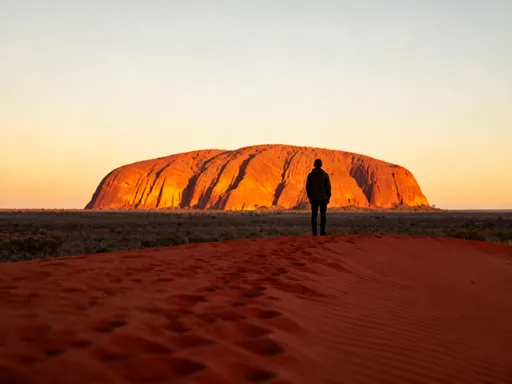
Standing beneath a blazing desert sky, I watched Uluru glow like molten rock at sunset—its red hues shifting from amber to deep crimson. This sacred monolith isn’t just a landmark; it’s a living canvas of light, culture, and silence. I never expected such raw beauty. If you're chasing moments that stick with you long after the flight home, these Uluru viewpoints are absolute must-sees. Let me show you where to stand, when to go, and how to truly feel this place.
Why Uluru’s Viewpoints Are More Than Just Photo Ops
At first glance, Uluru appears as a monumental spectacle—a vast sandstone monolith rising abruptly from the flat, rust-colored plains of central Australia. Yet to view it merely as a backdrop for photographs is to miss its deeper essence. For the Anangu, the traditional Aboriginal custodians of this land, Uluru is not a monument but a living presence, woven with ancestral stories, spiritual law, and ecological wisdom. Each viewpoint offers more than a scenic panorama; it presents an invitation to witness a landscape shaped by tens of thousands of years of cultural continuity and natural forces.
The emotional impact of Uluru often takes visitors by surprise. It’s not just the scale—though standing 348 meters high and stretching 9.4 kilometers around certainly commands awe—but the stillness that surrounds it. The silence of the desert, broken only by a distant birdcall or the whisper of wind over rock, creates a meditative atmosphere. This quiet allows space for reflection, making the experience feel less like tourism and more like pilgrimage. The interplay of light across the stone throughout the day adds another layer, transforming Uluru’s appearance from soft ochre at dawn to a fiery red at sunset and finally a deep violet under moonlight.
What distinguishes meaningful viewing from casual sightseeing is intention. When visitors take time to learn about Tjukurpa—the Anangu system of knowledge, law, and belief—they begin to see Uluru not as an object but as a teacher. Park signage, cultural centers, and guided walks provide accessible entry points into this worldview. Rather than rushing from one vantage point to the next, those who pause, listen, and observe often leave with a profound sense of connection. This is not merely about appreciating natural beauty; it’s about honoring a place where land and culture are inseparable.
Sunset at Uluru: Where the Magic Begins
No single moment at Uluru captures the imagination quite like sunset. As the sun dips toward the horizon, the entire sky becomes a theater of color. The main viewing area, located along a designated path west of the base, draws visitors from around the world, all gathered in quiet anticipation. Though crowds can be substantial, especially during peak seasons, there’s a shared respect among onlookers—an unspoken agreement to remain still, to watch, and to absorb.
The ideal time to arrive is 90 minutes before official sunset. This allows you to secure a comfortable spot, set up any gear, and witness the full transformation of light. The area features a gently sloping terrain, making it accessible for most visitors, though bringing a lightweight camp stool or mat is advisable for comfort during the wait. As the golden hour begins, Uluru starts to warm in tone, shifting from a dusty red to glowing amber. Then, in a matter of minutes, it ignites—deep crimson, rich burgundy, almost pulsing with internal fire. The change is so dramatic it feels choreographed by nature itself.
What makes this moment consistently described as spiritual isn’t just the visual spectacle but the collective stillness that descends. Conversations fade. Phones lower. Cameras click less frequently. People simply watch. There’s a reverence in the air, a recognition that something rare is unfolding. Many visitors report a sense of peace or even emotional release. While no religious doctrine is imposed, the experience resonates on a deeply human level—connecting observer and landscape in a wordless exchange.
To enhance the experience, bring a light jacket—desert temperatures drop quickly after dark—and a reusable water bottle. Avoid bright lights or flash photography, which disrupt the atmosphere for others. Some guided tours include traditional Anangu storytelling during this time, adding cultural depth to the visual display. Whether you’re a seasoned traveler or visiting Australia for the first time, sunset at Uluru is a defining moment—one that lingers in memory long after the colors fade.
Sunrise at Talinguru Nyakunytjaku: Peace in the Early Light
If sunset at Uluru is a global phenomenon, sunrise at Talinguru Nyakunytjaku is its intimate counterpart. Located just 15 minutes’ drive from the main site, this specially designed dune was created in collaboration with the Anangu people to provide a culturally appropriate and environmentally sensitive vantage point. The name translates to “looking at everything,” and from its summit, the view is nothing short of panoramic—Uluru to the southeast, Kata Tjuta to the west, and an endless expanse of spinifex and desert oaks stretching in every direction.
Reaching the site requires an early start—typically 60 to 75 minutes before sunrise—but the reward is solitude and serenity. Unlike the sunset area, which can feel crowded, Talinguru Nyakunytjaku maintains a peaceful atmosphere, with limited capacity and a focus on quiet reflection. A well-maintained boardwalk guides visitors to the top, with handrails and interpretive signs that explain the cultural significance of the landscape. The walk is moderate, suitable for most fitness levels, though early morning temperatures in winter can dip to near freezing, so warm layers, gloves, and a beanie are essential.
As dawn breaks, the first light creeps across the horizon, slowly illuminating the land. Uluru emerges from shadow, its form sharpening against the pale sky. The rock begins to warm in color, transitioning from cool gray to soft rose, then deepening as the sun rises. This gradual reveal feels more contemplative than the dramatic burst of sunset. There’s time to breathe, to listen, to take in the vastness. Birdlife stirs—zitting chats, white-winged fairy wrens, and the occasional peregrine falcon circling above.
What sets this experience apart is the emphasis on cultural respect. The site was designed to replace less sustainable viewing areas and to honor Anangu wishes for quiet, dignified engagement with their country. Interpretive panels share stories in both Pitjantjatjara and English, offering insights into creation journeys and ancestral beings. Rangers often greet visitors with a traditional welcome, sometimes sharing a brief reflection on the importance of caring for country. For many, this sunrise becomes not just a visual highlight but a moment of personal clarity—a reminder of how small we are within the grand sweep of time and terrain.
Kata Tjuta’s Valley of the Winds Lookout: A Powerful Companion View
While Uluru dominates the imagination, Kata Tjuta—also known as the Olgas—offers a contrasting but equally powerful experience. Located about 40 kilometers west, this cluster of 36 domed rock formations rises even higher than Uluru and carries its own spiritual significance for the Anangu. The Valley of the Winds walk leads to two primary lookout points, each offering sweeping views into the heart of the formation. The trail is classified as moderate to challenging, covering approximately 7.4 kilometers in a loop, with some rocky sections and elevation changes.
The journey begins at the Kata Tjuta sunrise viewing area, where early morning light bathes the domes in a golden glow. As you descend into the valley, the scale becomes apparent—the sheer walls of conglomerate rock, some over 550 million years old, rise dramatically on either side. The path winds through narrow gullies and open clearings, where patches of desert grasses and native flowers add texture to the rugged scene. The name “Valley of the Winds” is no exaggeration; even on calm days, breezes funnel through the corridors, creating a natural symphony of soft whistles and rustles.
Reaching the first lookout, you’re rewarded with a view deep into Walpa Gorge, where two of the largest domes frame a natural amphitheater. The second vantage point offers a broader perspective, looking back across the entire formation. From here, the contrast with Uluru is striking—where Uluru is smooth and singular, Kata Tjuta is fractured, complex, and communal in appearance. The textures of the rock are different too, with visible layers and striations telling a story of ancient geological upheaval.
Safety is important on this trail. Visitors are advised to carry at least two liters of water per person, wear sturdy footwear, and avoid hiking during the heat of the day. The walk typically takes 3 to 4 hours, so starting early ensures both comfort and the best light for photography. Rangers strongly recommend staying on marked paths to protect fragile vegetation and cultural sites. For those unable to complete the full loop, the shorter Walpa Gorge walk offers a gentler introduction to the area’s beauty. Whether you walk part or all of the trail, Kata Tjuta delivers a sense of awe that complements, rather than competes with, the Uluru experience.
Hidden Gems: Lesser-Known Spots for Solitude and Stillness
Beyond the main attractions, Uluru offers quieter corners for those willing to explore with care. These lesser-known viewpoints don’t promise the dramatic lighting of sunset but provide opportunities for personal reflection and deeper connection. One such spot is the Kantju Creek viewpoint, located near the campgrounds. In the late morning, when most visitors have moved on to guided tours or cultural centers, this area often remains peaceful. The low angle of the sun highlights the textures of the rock face, and the surrounding vegetation—desert oaks, emu bushes, and native figs—adds a softness to the landscape.
Another under-visited location is the Mutitjulu Waterhole viewing platform. While the waterhole itself is culturally sensitive and not always accessible, the surrounding area features interpretive signs that explain the significance of water in desert life and Anangu cosmology. Early winter mornings—June and July—are ideal for visiting, when temperatures are mild and crowds are thinner. Mid-morning visits during the cooler months can also yield solitude, as most tourists focus on sunrise or sunset.
Roadside pull-offs along the Ring Road, the 34-kilometer loop that circles Uluru, offer additional moments of quiet. Pulling over at unmarked clearings allows you to step away from the vehicle and simply listen. These pauses, though brief, can be powerful. Without the pressure to capture the perfect photo, you’re free to notice the small details—the pattern of cracks in the rock, the flight path of a kestrel, the scent of warmed earth after a rare rain.
Responsible tourism is key in these areas. Staying on designated paths protects both the environment and sacred sites. The Anangu ask visitors not to touch rock art, remove natural materials, or stray from marked trails. By honoring these guidelines, travelers contribute to the preservation of this fragile landscape. The reward is not just a quieter view but the knowledge that you’ve engaged with the land in a way that respects its enduring significance.
How to Plan Your Visit: Timing, Tours, and Practical Tips
Planning a visit to Uluru requires thoughtful consideration of season, transportation, and daily rhythms. The region experiences extreme temperatures, with summer months (December to February) often exceeding 40°C (104°F). During this time, outdoor activities should be limited to early morning or late afternoon, and hydration is critical. The most comfortable period to visit is between May and September, when daytime temperatures range from 20°C to 25°C (68°F to 77°F), skies are clear, and wildlife is more active.
Travelers have two primary options: self-driving or joining a guided tour. Self-driving offers flexibility, with well-maintained roads and clear signage around the park. However, navigating the cultural and ecological nuances independently can be challenging. Guided tours, especially those led by Anangu rangers or local operators, provide invaluable context. These experiences often include storytelling, traditional food demonstrations, and access to restricted interpretation areas. Multi-day packages may combine Uluru, Kata Tjuta, and nearby attractions like Kings Canyon, offering a comprehensive view of the Red Centre.
Entry to Uluru-Kata Tjuta National Park requires a pass, valid for three consecutive days. As of current guidelines, the fee supports park management and cultural preservation efforts. Visitors are encouraged to purchase passes online or at entry points and to carry them at all times. Eco-friendly practices are strongly promoted—this includes using refillable water bottles, avoiding single-use plastics, and disposing of waste properly. The park has limited facilities, so planning meals and supplies in advance is advisable.
Accommodation ranges from the eco-conscious Longitude 131° to the more accessible Ayers Rock Campground. Staying on-site allows for easier access to sunrise and sunset viewings, reducing travel time and environmental impact. For families or those with limited mobility, several viewing areas are wheelchair-accessible, and ranger-led programs are designed to be inclusive. With proper planning, a visit to Uluru can be both comfortable and deeply meaningful.
Respecting the Land: Understanding Anangu Culture and Closures
One of the most significant developments in recent years was the permanent closure of the Uluru climb in October 2019. This decision, long advocated by the Anangu people, reflects deep cultural values. For generations, they requested that visitors refrain from climbing, explaining that the path crosses a sacred creation track and that the act was deeply disrespectful. The closure was not a restriction but an invitation—to engage differently, to learn, and to honor the wishes of the traditional owners.
Respectful travel begins with understanding. The Anangu are not opposed to tourism; they welcome visitors who come with curiosity and humility. Their art centers, such as the Maruku Arts store near the cultural center, offer authentic crafts, paintings, and didgeridoos created by local artists. Purchasing directly supports community livelihoods and cultural continuity. Guided walks, like the Mala Walk or the Lungkata Walk, allow visitors to hear stories firsthand, often shared with warmth and humor.
Cultural sensitivity also means recognizing that some areas may be closed temporarily for ceremonies or environmental reasons. These closures should be accepted without question. Signs are posted clearly, and rangers are available to explain the reasons. By following these guidelines, travelers participate in a form of stewardship—helping to protect a landscape that has endured for millennia.
True connection to Uluru doesn’t come from conquering it but from listening to it. It comes from standing quietly at dawn, learning a few words in Pitjantjatjara, or simply acknowledging that this place exists not for our entertainment but as a living cultural landscape. When we shift from observer to respectful guest, the experience transforms. We don’t just see Uluru—we begin to understand it.
Uluru isn’t just a destination—it’s a dialogue between earth, sky, and spirit. By choosing thoughtful viewpoints and traveling with respect, you don’t just see it; you remember it. Let this place change you.