Flavors Under the Dome: Where Kuwait City’s Cuisine Meets Its Architecture
Walking through Kuwait City, I was struck by how deeply flavor and form intertwine. It’s not just about food or buildings—it’s how they shape each other. From domed heritage houses serving slow-cooked machboos to modern waterfront cafes with floor-to-ceiling views, every meal feels rooted in design. You don’t just eat here—you experience culture through taste and space. This is more than a culinary tour; it’s a sensory journey through a city that builds tradition into every dish and every skyline silhouette. The air carries whispers of cumin and cardamom, the streets echo with the clatter of spice grinders, and the architecture—ancient and modern alike—frames a way of life where nourishment and shelter are equally sacred.
First Impressions: A City Built on Layers of Taste and Stone
Kuwait City unfolds like a story told in both scent and silhouette. The skyline rises with bold modernity—glass towers reflecting the sun like mirrors on the desert—yet remains anchored in tradition through domes, arches, and wind towers that speak of centuries past. This architectural duality mirrors the city’s cuisine: deeply rooted in Gulf customs yet open to global influences. What visitors may not immediately realize is that the city’s built environment does more than house its people—it actively shapes how they eat, gather, and preserve their culinary identity. The thick limestone walls of old homes were not merely for privacy; they provided natural insulation, maintaining cooler interiors in a climate where summer temperatures routinely exceed 45°C (113°F). These same walls helped preserve food before refrigeration, creating ideal conditions for slow-cooking rice dishes like machboos and kabsa, which rely on steady, low heat to develop their complex flavors.
The urban layout of Kuwait City also reflects a historical understanding of communal life. Neighborhoods were traditionally organized around family compounds and shared courtyards, fostering intimate social bonds. These spaces often included dedicated cooking areas where multiple generations prepared meals together. Today, many of these homes have been restored and repurposed into private dining experiences, allowing visitors to enjoy traditional meals in authentic settings. The architecture doesn’t just frame the meal—it enhances it, creating an atmosphere of continuity and warmth. Even in newer developments, echoes of this design philosophy persist. Open-plan layouts, shaded terraces, and central gathering spaces echo the courtyard model, reinforcing the cultural value of shared meals. The city’s design, in essence, treats hospitality as infrastructure.
Another striking example of this synergy is the use of wind towers, or badgirs, which were once common in Kuwaiti homes. These vertical shafts captured breezes from above and directed cool air down into living spaces. This passive cooling system not only improved comfort but also influenced food storage and preparation. Cooler interior temperatures meant perishable ingredients like dairy and meat could be kept fresh longer, allowing for more elaborate cooking. Some heritage homes now serve as cultural centers or boutique restaurants, where guests dine beneath the same wind towers that once cooled family meals. The experience is immersive: the soft hum of air moving through the tower, the scent of lamb simmering with dried lime, and the quiet dignity of a design that has endured for generations.
The Heart of Heritage: Food and Form in Old Kuwaiti Houses
In districts such as Salmiya and Kuwait’s historic core, restored courtyard homes stand as living testaments to a culture where architecture and cuisine evolved in tandem. These homes, often built from coral stone and gypsum, feature thick walls, central open-air courtyards, and intricately carved wooden doors. Their design was never merely aesthetic; it was a response to environmental necessity. The central courtyard acted as a thermal regulator, drawing hot air upward and allowing cooler air to circulate at ground level. This natural ventilation system made communal dining not only possible but pleasant, even during the fiercest summer months. Many of these homes now operate as family-run eateries, where visitors are welcomed like guests into a private home, seated on floor cushions around low wooden tables laden with steaming platters of traditional dishes.
One of the most iconic meals served in these spaces is harees, a slow-cooked porridge of wheat and meat that can take up to twelve hours to prepare. The dish’s long cooking time is not just a matter of tradition—it reflects the rhythm of life in a home designed for patience and care. The kitchen, often tucked into a corner of the courtyard, remains open to the elements, allowing heat to escape while maintaining a connection to the gathering outside. Cooking here is not hidden; it is part of the experience. Guests might watch as a pot of thareed—a layered bread and meat stew—is assembled, the bread soaked in rich broth until it melts into tenderness. The architecture supports this intimacy: low ceilings create a sense of enclosure, while the open courtyard above invites in natural light and the occasional breeze.
The social function of these homes is as important as their physical design. Meals are not rushed; they are rituals of connection. Elders recount stories, children pass platters, and guests are offered second and third helpings as a sign of respect. The spatial layout reinforces this rhythm. There are no sharp divisions between kitchen, dining, and living areas—movement is fluid, interaction constant. This contrasts sharply with modern restaurant settings, where service is often compartmentalized and efficiency prioritized over connection. In these heritage homes, food and space work together to create a sense of belonging. The architecture doesn’t just contain the meal; it choreographs it, guiding the flow of conversation, movement, and emotion.
Souk Al-Mubarakiya: Where Tradition Serves Itself
No exploration of Kuwait City’s culinary-architectural relationship would be complete without a visit to Souk Al-Mubarakiya, one of the oldest and most vibrant markets in the Gulf. More than a marketplace, it is a microcosm of Kuwaiti life, where the built environment has been finely tuned over generations to support daily rituals of food, trade, and community. The souk’s low-rise structures, arched alleyways, and shaded walkways create a network of microclimates that protect vendors and shoppers from the sun while allowing air to circulate freely. Woven palm fronds and wooden lattice screens filter sunlight, casting intricate patterns on the ground and reducing indoor temperatures by several degrees—a simple yet effective form of climate-responsive design.
Within this carefully calibrated environment, food takes center stage. Spice stalls overflow with saffron, cumin, turmeric, and dried black limes, their colors vivid against the earth-toned walls. Vendors sell ghee in clay pots, fresh dates by the kilo, and dried fish cured in the sun—all staples of Kuwaiti cuisine. The materials used in construction—palm wood, mud brick, and stone—are not chosen for nostalgia; they are functional, breathable, and naturally insulating. These properties help preserve the quality of perishable goods, ensuring that ingredients remain fresh even without mechanical refrigeration. The result is a market where food is not only sold but celebrated in its most authentic form.
The souk also hosts small eateries tucked into its corners, where cooks prepare meals using the very ingredients available in the market. One might find a stall serving balaleet, a sweet-savory dish of vermicelli and eggs, or another offering fresh samboosa filled with spiced meat and herbs. These meals are often eaten standing or seated on low stools, reinforcing the informal, communal spirit of the place. The architecture supports this spontaneity: open fronts allow smells and sounds to travel, drawing in passersby. There are no menus, no reservations—just food, shared in the moment. This seamless integration of commerce, cuisine, and community is a hallmark of traditional Gulf urban design, and Souk Al-Mubarakiya preserves it with quiet dignity.
Modern Fusion: Skyscrapers with a Side of Flavor
As Kuwait City expands, its architectural language evolves, embracing contemporary forms while still honoring its cultural roots. In the Financial District and around Al-Shaheed Park, sleek glass towers rise alongside public spaces designed for leisure and connection. These modern developments are not just symbols of economic growth; they are redefining the city’s culinary landscape. Rooftop restaurants and sky lounges now offer panoramic views of the Arabian Gulf, where diners enjoy reinvented versions of Gulf classics. A plate of lamb ouzi might be served with pomegranate foam and micro-herbs, or a traditional date cake might be deconstructed into layers of caramelized date puree and almond crumble. These dishes reflect a new generation of Kuwaiti chefs who respect tradition but are unafraid to innovate.
The architecture of these spaces plays a crucial role in shaping the dining experience. Reflective glass and angled façades are designed to capture the colors of the sunset, transforming evening meals into visual spectacles. Indoor spaces use advanced acoustic materials to minimize noise, ensuring that conversation flows easily even during peak hours. Lighting is carefully calibrated—soft and warm in dining areas, brighter in open kitchens—to guide the guest’s attention and mood. These details may seem subtle, but they reflect a deep understanding of how environment influences perception. A meal enjoyed at a sky lounge is not just about taste; it is a multisensory event where sight, sound, and space all contribute to the overall impression.
Yet even in these high-tech settings, echoes of tradition remain. Some restaurants incorporate geometric Islamic patterns into their décor, using laser-cut metal screens or tile work to create a sense of cultural continuity. Others feature open kitchens modeled after the hearths of old courtyard homes, where cooking is visible and communal. The goal is not to replicate the past but to reinterpret it—building a culinary future that is both modern and meaningful. This balance is particularly evident in the way these spaces host private gatherings and celebrations. Families book rooftop terraces for weddings or Eid dinners, blending contemporary luxury with timeless rituals of hospitality.
Coastal Elegance: Marina Diners and Seaside Cafés
Along Kuwait’s eastern edge, the coastline has become a canvas for architectural and culinary innovation. Developments like the Marina Crescent and the Al Hamra Tower complex feature sweeping curves, shaded promenades, and open-air terraces designed to maximize sea breezes and minimize solar gain. These structures are not just beautiful—they are functional, responding to the coastal climate with intelligence and grace. The result is a network of seaside dining spots where fresh seafood takes center stage, prepared with techniques that honor both Gulf traditions and global standards.
Restaurants in these areas serve hamour (grouper), prawns, and spiced fish biryani, often grilled over open flames using methods passed down through generations of Kuwaiti fishermen. The architecture enhances this authenticity. Outdoor kitchens are positioned to catch the wind, carrying smoke and aroma away while keeping cooking areas cool. Dining tables are arranged under wide overhangs or canvas canopies, providing shade without blocking the view of the water. The effect is one of effortless elegance—meals that feel both luxurious and natural, as if they belong to the landscape itself.
What sets these coastal venues apart is their ability to frame the food without overwhelming it. The buildings do not dominate the scene; instead, they recede, allowing the sea, the sky, and the meal to take precedence. Large glass panels fold away, blurring the line between indoors and outdoors. Water features and reflective pools add to the sense of calm, reducing ambient temperature and creating a soothing atmosphere. These design choices reflect a philosophy of restraint—of building not to impress, but to serve. For diners, the experience is one of harmony: the gentle lap of waves, the scent of grilled fish, and the quiet comfort of a space designed with care.
Hidden Gems: From Desert Outposts to Urban Courtyards
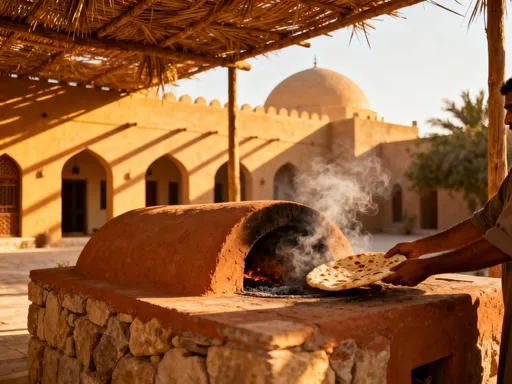
Beyond the well-trodden paths of souks and skyscrapers, Kuwait City harbors quieter, more intimate culinary experiences shaped by thoughtful design. In the desert outskirts, temporary encampments with mud-brick ovens and canvas tents offer meals cooked in the traditional Bedouin style. Here, camel meat is slow-roasted in underground pits, and fermented dairy products like laban are served in clay bowls. The tents are engineered for airflow, with openings positioned to catch prevailing winds, ensuring that cooking heat does not overwhelm the space. These outposts are not tourist attractions; they are living traditions, where food and shelter are adapted to the harshest of environments with ingenuity and resilience.
Within the city, converted villas with inner gardens have become private supper clubs, offering multi-course tasting menus to small groups. These spaces are not advertised; access is often by invitation or word of mouth. The gardens are lush with date palms and jasmine, creating a secluded atmosphere where conversation flows freely. Meals are served in courses, each paired with stories about the ingredients, their origins, and their cultural significance. The architecture supports this intimacy: high walls ensure privacy, while open roofs allow stargazing between courses. These venues prove that authenticity does not require grandeur—sometimes, the most memorable meals happen in the quietest spaces.
What unites these hidden gems is a commitment to design as an extension of hospitality. Whether in the desert or the city, the structures are not afterthoughts; they are integral to the experience. They provide comfort, context, and continuity, linking the present to the past. For visitors willing to seek them out, these spaces offer a deeper understanding of Kuwaiti culture—one that values patience, connection, and the quiet art of being together.
Designing the Future: Sustainability, Culture, and Cuisine
Looking ahead, Kuwait is embracing a new era of urban development that prioritizes sustainability without sacrificing cultural identity. New community centers, public markets, and food hubs are being designed with solar panels, rainwater harvesting systems, and natural ventilation in mind. These projects reflect a growing awareness that how we build directly affects how we eat. A market powered by renewable energy can support local farmers and reduce food miles. A community kitchen with natural lighting and efficient insulation can lower operating costs, making traditional cooking more accessible.
One promising example is the development of eco-friendly food markets that use local materials like reclaimed wood and recycled stone. These spaces are designed to stay cool without excessive air conditioning, reducing energy use while maintaining comfort. Vendors sell organic produce, artisanal breads, and sustainably sourced seafood, creating a direct link between responsible architecture and responsible consumption. Educational programs within these centers teach residents about seasonal eating, food preservation, and traditional cooking methods—knowledge that once kept families nourished for generations.
The future of Kuwait City’s culinary-architectural relationship lies in this integration. Buildings are no longer seen as separate from the food they house; they are part of a larger ecosystem. Urban planners and chefs are beginning to collaborate, recognizing that a well-designed kitchen—whether in a home, market, or restaurant—can enhance both flavor and sustainability. The goal is not to return to the past, but to carry its wisdom forward: that good food thrives in thoughtful spaces, and that every structure we build is a statement about the kind of life we want to live.
Conclusion: A City That Feasts with Its Eyes and Palate
Kuwait City is a place where every arch tells a story, every dome shelters a tradition, and every meal is shaped by the space in which it is shared. From the wind-cooled courtyards of old homes to the sun-kissed terraces of modern towers, the city’s architecture does more than provide shelter—it deepens the experience of food. The scents of cardamom and grilled meat are not just aromas; they are invitations to participate in a culture that values hospitality, resilience, and sensory richness. By exploring Kuwait City through the lens of design, we come to understand that cuisine is not just about ingredients and recipes, but about the environments that make them meaningful. The next time you sit down to a meal here, take a moment to look around. The walls, the light, the breeze—they are all part of the flavor. And in that awareness, we taste not just the dish, but the soul of the city.