Lost in the Rice Fields and River Light: A Quiet Awakening in Hoi An’s Wild Heart
You know that feeling when a place just gets you? Hoi An isn’t just lanterns and tailors—step beyond the ancient town, and the real magic begins. I’m talking misty rice paddies at dawn, boat rides through silent waterways, and forests humming with life. This isn’t tourism—it’s immersion. Nature here doesn’t shout; it changes you in whispers. If you listen closely, the rhythm of the land speaks of patience, balance, and quiet resilience. Let me take you where the map ends and the soul of Vietnam truly breathes—into a world of emerald fields, reflective rivers, and coastal winds that carry centuries of stories.
Beyond the Lanterns: Discovering Hoi An’s Hidden Natural Soul
Hoi An’s Old Town is undeniably enchanting. Its ochre-walled buildings, silk-draped shopfronts, and lanterns glowing like fireflies at dusk have earned it UNESCO World Heritage status for good reason. Yet for all its charm, the cobbled lanes and bustling markets only tell part of the story. The deeper soul of Hoi An lies not in its streets, but in the quiet landscapes that cradle the town—vast rice fields rippling in the wind, serpentine rivers threading through mangroves, and coastal dunes where the sea meets wild grasslands. These natural spaces are not mere backdrops; they are the lifeblood of the region, shaping its culture, cuisine, and daily rhythms.
For the traveler seeking more than postcard moments, stepping beyond the town’s edges reveals a different kind of beauty—one that unfolds slowly, without fanfare. Here, the pace is dictated by the sun, the seasons, and the tides. Farmers rise before dawn to tend their paddies; fishermen glide silently along the Thu Bon River in conical hats; children run barefoot through village lanes shaded by frangipani trees. This is not a performance for tourists. It is life as it has been lived for generations. Immersing yourself in these surroundings offers a rare chance to reconnect with simplicity, authenticity, and the natural world.
What makes this shift in perspective so powerful is the contrast it creates. After wandering through souvenir stalls and sipping coffee at riverside cafes, the experience of cycling down a dirt path flanked by flooded rice fields feels almost revelatory. The air grows cooler, scented with wet earth and green growth. The only sounds are the rustle of leaves and the distant call of a water buffalo. In these moments, the noise of modern life fades, replaced by a deep, grounding stillness. It’s here, in the quiet, that Hoi An reveals its true magic—not in what it shows, but in what it allows you to feel.
The Rhythm of the Rice: Walking Through Seasonal Landscapes
The rice fields surrounding Hoi An are more than scenic vistas—they are living, breathing landscapes that pulse with seasonal change. In villages like Tra Que and Cam Thanh, the agricultural cycle governs daily life, and witnessing it unfold is one of the most profound ways to understand the region’s connection to nature. From the first planting in flooded paddies to the golden harvest under a midday sun, each phase offers a distinct visual and emotional experience, inviting travelers to slow down and observe the quiet dignity of rural labor.
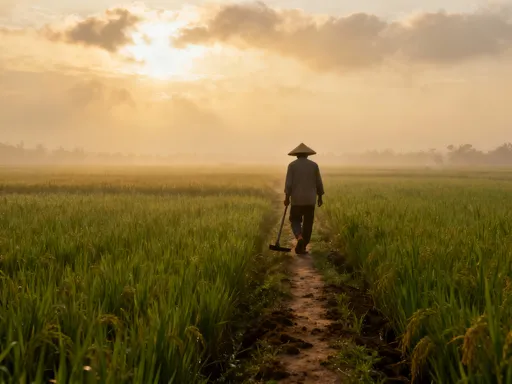
During the early growth phase, the fields transform into shimmering mirrors, reflecting the sky in their shallow waters. At sunrise, the light dances across the surface, turning the paddies into liquid gold. Walking or cycling along the narrow earthen paths between plots, you’ll see farmers bent at the waist, transplanting seedlings with practiced precision. Their movements are rhythmic, almost meditative—a testament to generations of knowledge passed down through families. The air is thick with humidity, carrying the scent of mud and young rice. It’s a moment of stillness and fertility, a reminder of nature’s quiet beginnings.
By mid-season, the fields turn a vibrant emerald, the stalks standing tall and dense. This is the time for quiet strolls at dusk, when the breeze carries relief from the day’s heat and dragonflies dart above the water. Locals often use this period to harvest herbs like mint and basil from nearby plots, bundling them for market. The fields are alive not just with crops, but with small ecosystems—frogs, water spiders, and the occasional kingfisher hunting along the edges. For the observant traveler, every visit reveals new details, a deeper layer of connection to the land.
Harvest season, occurring around June and December depending on the region, is a time of celebration and hard work. The fields glow amber, and the sound of scythes slicing through stalks fills the air. Families come together to gather the rice, spreading it on mats to dry under the sun. In some villages, you can participate in guided harvesting experiences, learning the techniques firsthand. These moments offer more than photo opportunities—they create genuine understanding. You begin to appreciate the labor behind every grain, the care that goes into feeding a community, and the deep respect farmers hold for the land that sustains them.
Drifting Through Silence: The Thu Bon River’s Secret Pathways
One of the most peaceful ways to experience Hoi An’s natural beauty is from the water. A bamboo basket boat ride along the Thu Bon River offers a perspective few tourists seek but many remember forever. Unlike the bustling streets of the Old Town, the river moves at its own pace—slow, steady, and serene. As your guide propels the boat with a single pole, you glide beneath canopies of water coconut palms, past clusters of mangroves, and alongside riverside homesteads where chickens peck at the banks and children wave from wooden docks.
The sensory experience is profound. The cool mist of early morning lingers on your skin. The only sounds are the soft splash of the paddle, the rustle of reeds, and the occasional call of a white egret taking flight. Dragonflies skim the surface, and lotus flowers bloom in sheltered coves. It’s a world apart—a quiet theater where nature performs without an audience. Many travelers describe the journey as meditative, a rare chance to disconnect from digital noise and reconnect with the present moment.
The Thu Bon River is more than scenic; it is a lifeline. For centuries, it has provided water for irrigation, transportation for goods, and a source of fish for local diets. Today, it remains central to village life, though increasing tourism brings both opportunity and challenge. Low-impact ecotourism practices—such as small group tours, locally operated boats, and strict no-litter policies—help ensure that the river’s ecosystem remains intact. Travelers who choose responsible operators contribute directly to conservation, supporting families who depend on the river while preserving its wild character.
Some of the most memorable moments come during sunrise trips, when the sky shifts from indigo to soft pink and the river reflects the colors like polished glass. Mist rises from the water, and the world feels hushed, as if holding its breath. In these still moments, it’s easy to understand why the river has long been considered sacred. It doesn’t demand attention; it invites reflection. To travel its waters is not just to see Hoi An’s nature, but to feel it in your bones.
Coastal Whispers: The Untouched Beauty of Cua Dai and An Bang’s Edges
An Bang Beach is famous for its soft sand and turquoise waters, drawing sunseekers and beach lovers from around the world. But just beyond the popular stretches—where the dunes meet scrubland and tidal flats—lies a wilder, quieter side of Hoi An’s coastline. These less-visited edges offer a different kind of beauty: one shaped by wind, salt, and resilience. Here, sea grass bends in the breeze, sand dunes stabilize with native vegetation, and migratory birds find refuge in the quiet shallows.
Morning walks along these undeveloped shores reveal a delicate ecosystem in motion. Fiddler crabs dart between burrows, shorebirds probe the wet sand for food, and the occasional horseshoe crab leaves a trail in the mud. The sound of waves is constant but gentle, a soothing rhythm that invites contemplation. Unlike the lively beachfront restaurants and sunbeds of central An Bang, these areas remain largely untouched, offering solitude and a chance to observe nature’s quiet balance.
What makes these coastal zones so special is their role in conservation. They serve as natural barriers against erosion, protect inland areas from storm surges, and provide critical habitat for marine and bird life. Certain areas are protected during nesting seasons, particularly for sea turtles and shorebirds. Responsible travelers are encouraged to stay on marked paths, avoid disturbing vegetation, and refrain from leaving any trace of their visit. Even simple actions—like not feeding birds or using reef-safe sunscreen—can make a meaningful difference.
The beauty of these wild edges lies in their impermanence. Tides reshape the shoreline daily; storms shift the dunes; new plants take root in the sand. To walk here is to witness nature’s constant renewal. It’s a reminder that some of the most powerful experiences in travel come not from grand sights, but from quiet observation—of a single feather caught in the grass, of footprints washed away by the sea, of the wind carrying the scent of salt and blooming dune flowers.
Forest Bathing in Vietnam: The Green Embrace of Tra Kieu and Nearby Woodlands
Just a short journey from Hoi An’s center, patches of lowland forest and tree-lined villages offer a Vietnamese interpretation of *shinrin-yoku*, or forest bathing. While the term originated in Japan, the practice—immersing oneself in nature to promote well-being—is deeply resonant here. In areas like Tra Kieu and the rural corridors leading toward the mountains, shaded paths wind beneath canopies of banyan, jackfruit, and frangipani trees. The air is cooler, rich with the scent of damp earth, blossoms, and green foliage.
Walking slowly through these woodlands, you begin to notice the subtle details: sunlight filtering through leaves, the hum of cicadas, the occasional rustle of a gecko in the underbrush. There are no grand trails or tourist signs—just quiet lanes used by locals to reach their homes or farms. This lack of formal infrastructure is part of the experience. It feels private, intimate, as if you’ve been granted access to a hidden world.
Research in environmental psychology supports what many travelers intuitively feel: spending time in green spaces reduces stress, lowers blood pressure, and improves mood. The combination of fresh air, natural sounds, and mindful movement creates a restorative effect. In Vietnam, this is often achieved not through structured programs, but through daily life—farmers working in shaded fields, elders sitting beneath trees in the late afternoon, children playing in village groves. For the visitor, adopting a similar rhythm—walking without urgency, pausing to breathe, listening to the wind—can be deeply healing.
Some community-based tours now offer guided forest walks, led by local residents who share knowledge of medicinal plants, bird calls, and seasonal changes. These experiences are not about ticking off sights, but about deepening awareness. You might learn how certain leaves are used in traditional remedies, or how the flowering of a particular tree signals the start of the planting season. In these moments, nature becomes both teacher and healer, offering wisdom without words.
Seasons and Senses: Timing Your Visit for Maximum Natural Immersion
To fully experience Hoi An’s natural landscapes, timing is everything. The region’s climate follows a distinct seasonal pattern, and each period offers unique opportunities for immersion. The dry season, from February to July, brings clear skies, warm temperatures, and lush, green rice fields. This is an ideal time for cycling through the countryside, river excursions, and beach walks, with minimal rain to disrupt plans.
Harvest months—around June and December—are particularly special. The fields turn golden, and the energy in farming villages is palpable. Many local festivals coincide with these periods, celebrating the bounty of the land with music, food, and communal meals. Travelers who visit during these times may have the chance to witness or even participate in harvest rituals, gaining a deeper appreciation for the agricultural cycle.
The rainy season, from August to January, brings higher humidity and frequent downpours, but it also transforms the landscape in beautiful ways. The rivers swell, creating more dramatic reflections and fuller waterways for boat tours. Clouds hang low over the fields, casting moody, cinematic light that photographers cherish. Fewer tourists visit during this time, offering a sense of solitude and authenticity. With proper planning—light rain gear, flexible itineraries—travelers can enjoy a more intimate experience of Hoi An’s nature.
Birdwatching is best during the cooler winter months, when migratory species arrive from the north. Wetlands near the river delta become temporary homes for herons, egrets, and even rare kingfishers. Early morning visits with a local guide can yield rewarding sightings, all while supporting conservation-focused tourism. Similarly, the period just after the rainy season—around January to February—often brings the clearest river waters, ideal for photography and reflection-based activities.
Ultimately, the best time to visit depends on what you seek. Whether you crave vibrant green fields, golden harvests, dramatic skies, or quiet solitude, Hoi An’s natural rhythm has a season for you. The key is flexibility—allowing the weather to guide your pace, and embracing whatever the moment offers.
Traveling Light, Leaving No Trace: How to Engage Respectfully with Nature
True immersion in Hoi An’s natural beauty requires more than observation—it demands responsibility. The landscapes that move us so deeply are fragile, shaped by centuries of balance between human life and the environment. As visitors, we have a role in preserving that balance. This begins with small, conscious choices: staying on marked paths, avoiding single-use plastics, and respecting local customs in rural areas.
One of the most impactful decisions is transportation. Opting for a bicycle instead of a motorbike reduces noise and emissions, allowing you to move quietly through villages and fields without disturbing wildlife or residents. Many rental shops offer well-maintained bikes, and guided cycling tours often include stops at family-run farms or herbal tea houses, supporting the local economy directly.
When dining, choose restaurants that source ingredients locally—many use produce from nearby gardens or fish caught by small-scale fishermen. Carry a reusable water bottle and refill at filtered stations, which are increasingly available in eco-conscious accommodations. On the beach or in the forest, pack out everything you bring in. Even biodegradable items like fruit peels can disrupt local ecosystems if left behind.
Equally important is cultural respect. In farming villages, ask permission before photographing people or homes. Dress modestly when visiting rural areas, and avoid loud conversations that might disrupt the peace. Support community-based tours that prioritize sustainability and fair wages for guides. These choices may seem small, but collectively, they help ensure that Hoi An’s natural wonders remain intact for future generations.
In the end, the most meaningful travel experiences are not measured by how many places you see, but by how deeply you connect. When you move through the world with care, you don’t just witness beauty—you become part of its preservation. And in that quiet exchange, something shifts within you. You carry home more than memories. You carry a sense of peace, a renewed respect for nature, and the quiet certainty that some of the loudest transformations happen in the softest whispers of the wild.