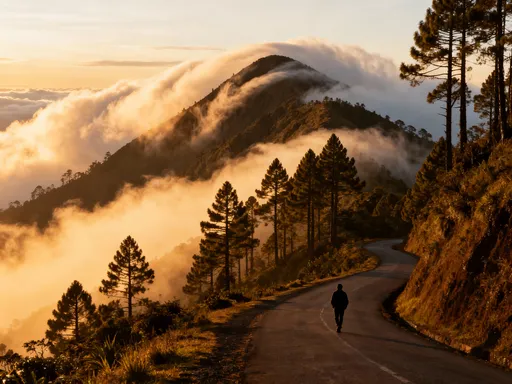
Whispers of the Sacred Wild: What I Found Beyond the Pilgrimage Path
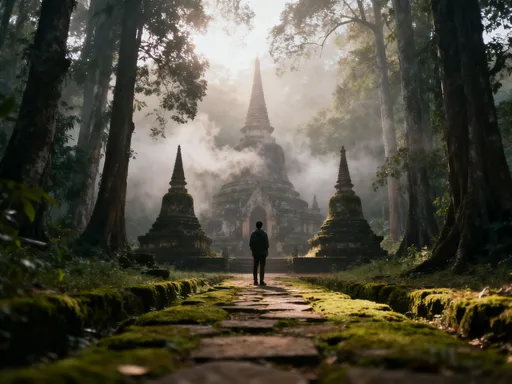
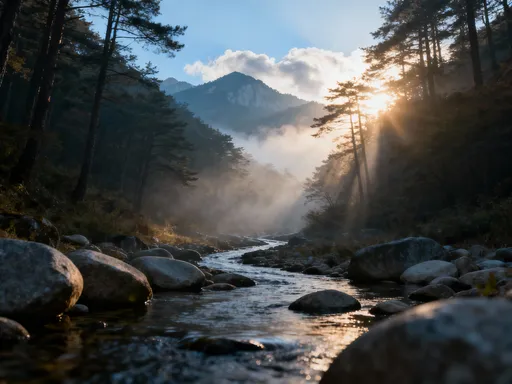
Have you ever wondered what lies beyond the well-trodden routes of Mecca? I didn’t either—until I stepped into the quiet embrace of its protected landscapes. Far from the crowds, these hidden natural sanctuaries reveal a side of Saudi Arabia few travelers see. This isn’t just about religion or ritual; it’s about raw beauty, preserved silence, and a deep connection to the earth. What I discovered changed how I see this sacred land forever. Beyond the golden glow of the Grand Mosque and the rhythmic chants of devotion, another kind of reverence unfolds—one written in stone, wind, and resilient greenery clinging to arid slopes. These are places where nature has not been tamed, but protected, where the land itself seems to breathe with a quiet holiness.
The Unseen Side of a Holy City
Mecca is universally recognized as the spiritual center of Islam, drawing millions each year in a powerful expression of faith. Yet, beyond the city’s sacred core lies a landscape that remains largely unseen by pilgrims and outsiders alike—vast stretches of protected highlands, ancient wadis, and fragile desert ecosystems that have quietly endured for centuries. These natural zones, though adjacent to one of the most visited religious sites on Earth, are not part of the pilgrimage circuit. Instead, they serve as ecological refuges, quietly preserved under national conservation programs. The contrast is striking: while the city pulses with devotion and movement, the surrounding wilderness stands in stillness, shaped by time and tradition.
This duality—spiritual intensity paired with natural serenity—offers a rare glimpse into how sacred geography can extend beyond architecture and ritual. The mountains that cradle Mecca, such as Jabal al-Nour and Jabal Thawr, are not only historically significant but also ecologically vital. These areas, once traversed by prophets and scholars, now serve as critical habitats for native flora and fauna. In recent years, increased attention from environmental authorities has led to the formal protection of these regions, ensuring they are not lost to urban expansion or unregulated access. What was once considered merely a backdrop to religious life is now being recognized as an essential part of the region’s heritage.
The transformation is subtle but meaningful. Local communities, long accustomed to viewing these lands through a spiritual lens, are now embracing their environmental value as well. Reforestation projects, water conservation efforts, and wildlife monitoring have become part of a broader cultural shift. The government’s commitment to preserving these areas aligns with a growing global understanding that sacred places often coincide with ecologically sensitive zones. In Mecca, this realization has sparked a quiet revolution—one that honors both faith and nature, recognizing that reverence can be expressed not only through prayer but through stewardship.
Why These Hidden Reserves Matter
The protected landscapes around Mecca are more than scenic backdrops—they are lifelines in an arid environment. These reserves play a crucial role in maintaining biodiversity, supporting species that have adapted to extreme conditions over millennia. Among them are endemic plants like the Arabian rue and the desert hyacinth, which thrive in rocky soils and contribute to soil stabilization. These plants, often overlooked, are vital to the resilience of the ecosystem, preventing erosion and providing sustenance for wildlife.
Birdwatchers may be surprised to learn that Mecca’s highlands serve as a seasonal corridor for migratory birds. Species such as the griffon vulture, the Egyptian nightjar, and the desert wheatear pass through these regions during their long journeys across the Arabian Peninsula. The presence of these birds indicates a healthy ecosystem, one capable of supporting life even in harsh climates. Additionally, small mammals like the Arabian fox and the Nubian ibex have been observed in more remote areas, suggesting that conservation efforts are allowing wildlife to reclaim spaces once threatened by human activity.
Water conservation is another critical function of these protected zones. In a region where rainfall is scarce and aquifers are under pressure, the natural catchment systems of wadis and mountain slopes help regulate water flow. Vegetation in these areas slows runoff, allowing moisture to seep into the ground rather than being lost to evaporation. This natural process supports underground reserves that, in turn, sustain both wildlife and nearby communities. By protecting these landscapes, Saudi Arabia is investing in long-term environmental stability, ensuring that future generations will inherit not only a spiritual legacy but a livable environment.
There is also a cultural dimension to this conservation. Islamic tradition has long emphasized the importance of nature, with numerous teachings highlighting the responsibility to care for the Earth. The Prophet Muhammad is reported to have spoken of planting trees even if the end of the world were near—a powerful statement about stewardship and hope. This ethos resonates in today’s environmental efforts, where ancient values meet modern science. The preservation of Mecca’s natural surroundings is not a departure from tradition but a fulfillment of it, a way of honoring faith through action.
Journey to the Fringes: How to Access These Spaces
For those seeking to experience these protected landscapes, access is possible—but with important considerations. Unlike typical tourist destinations, these areas are not designed for mass visitation. Entry is regulated to protect both the environment and the sanctity of the region. Pilgrims visiting Mecca may find opportunities to explore nearby reserves during their stay, provided they follow guidelines and obtain any necessary permissions. Non-pilgrims, including researchers and environmentally focused travelers, can also gain access through official channels, often in coordination with local conservation authorities.
Transportation to these areas typically begins in central Mecca, from where visitors can arrange guided trips to designated zones. Some reserves, such as Al Shifa, are accessible via paved roads, while others require 4x4 vehicles due to rugged terrain. Public transportation options are limited, so private or organized travel is recommended. It is essential to coordinate visits in advance, as spontaneous entry is not permitted. This controlled access ensures that foot traffic remains within sustainable limits, minimizing impact on delicate ecosystems.
Timing is another crucial factor. The best months to visit are between October and March, when temperatures are milder and the risk of flash floods is lower. Summer months can be extremely hot, with daytime temperatures exceeding 40°C (104°F), making outdoor exploration unsafe. Early morning or late afternoon visits are advised to avoid the midday heat and to increase the chances of observing wildlife. These hours also offer the most beautiful light, transforming rocky outcrops and desert flora into scenes of quiet majesty.
Travelers should come prepared. Essential items include ample water, sun protection, sturdy footwear, and lightweight, modest clothing that covers arms and legs—both for cultural respect and physical protection. A wide-brimmed hat, sunscreen, and a reusable water bottle are practical additions. Cameras and binoculars enhance the experience, allowing for quiet observation without disturbing the environment. Most importantly, visitors must adhere to the principle of leave no trace: no littering, no removal of plants or stones, and no loud noises that could disrupt wildlife or other visitors seeking peace.
Al Shifa Reserve: A Glimpse into the Protected Wild
One of the most accessible and well-managed conservation areas near Mecca is the Al Shifa Botanical Reserve, nestled in the Sarawat Mountains to the southeast of the city. Spanning over 1,400 square kilometers, this reserve is not a manicured park but a living, breathing ecosystem in recovery. Here, the air carries a noticeable coolness, a relief from the desert heat, and the scent of eucalyptus and wild herbs lingers after rainfall. Towering acacia trees provide shade, while clusters of medicinal plants like black seed and arnica grow undisturbed in shaded crevices.
Al Shifa serves as a model for ecological restoration in arid regions. Decades of overgrazing and unregulated use had degraded much of the land, but reforestation efforts since the early 2000s have led to a visible resurgence of native vegetation. Scientists and local rangers monitor plant growth, soil health, and water retention, using data to guide planting strategies and protect vulnerable species. The reserve is home to more than 600 plant species, including rare desert-adapted perennials that bloom briefly after rare rains, transforming the landscape into a fleeting tapestry of color.
What makes Al Shifa unique is its dual role—as a conservation site and a place of quiet contemplation. Unlike commercial nature parks, it does not feature visitor centers, gift shops, or marked trails for casual hiking. Instead, access is granted in small groups, often accompanied by trained guides who emphasize observation over interaction. Visitors walk on established paths, speak in low voices, and refrain from picking plants or disturbing wildlife. This approach fosters a sense of reverence, aligning with the spiritual tone of the region while supporting ecological goals.
The reserve also plays an educational role. Local schools and universities organize field trips to study botany, hydrology, and environmental ethics. Students learn not only about plant identification but also about the cultural significance of traditional herbal medicine, which has deep roots in Arabian society. This blending of science and heritage enriches the conservation mission, showing that protecting nature is not just a technical challenge but a cultural responsibility. For visitors, Al Shifa offers a rare opportunity to witness this integration firsthand—a place where knowledge, faith, and care for the Earth converge.
The Role of Vision 2030 in Nature Conservation
Saudi Arabia’s Vision 2030 initiative has become a driving force behind the nation’s environmental transformation. While often associated with economic diversification and urban development, this national strategy includes a strong commitment to sustainability and ecological preservation. One of its key goals is to protect 30% of the country’s land and marine areas by 2030—a target that has already led to the expansion of protected zones across the kingdom, including those near Mecca.
In the Mecca region, this vision translates into tangible action. New reserves are being established, existing ones are receiving increased funding, and advanced monitoring technologies are being deployed to track environmental changes. Satellite imagery, drone surveys, and automated weather stations help scientists understand how climate patterns affect vegetation and water availability. This data informs policy decisions, ensuring that conservation efforts are based on evidence rather than assumption. At the same time, local communities are being trained as rangers and eco-educators, creating jobs while building stewardship from within.
What sets this approach apart is its balance between progress and preservation. Unlike models that prioritize tourism revenue, Saudi Arabia’s conservation strategy emphasizes long-term ecological health over short-term gains. There are no plans to turn Al Shifa or similar reserves into commercial attractions. Instead, the focus is on low-impact access, scientific research, and cultural education. This restraint reflects a deeper understanding: that some places are valuable not because they draw crowds, but because they endure in silence, offering lessons in resilience and balance.
The government’s collaboration with international environmental organizations has also strengthened these efforts. Partnerships with institutions like the International Union for Conservation of Nature (IUCN) and the United Nations Environment Programme (UNEP) have brought expertise and best practices to local projects. These collaborations ensure that Saudi Arabia’s conservation work meets global standards while remaining rooted in local values. The result is a model that other arid regions may one day emulate—a way of protecting nature without sacrificing identity or faith.
Responsible Travel in a Sacred Landscape
Visiting the protected areas around Mecca is not like typical ecotourism. It requires a different mindset—one rooted in respect, humility, and restraint. These are not places to conquer or photograph for social media fame. They are spaces of quiet significance, where the act of being present is more important than any checklist of sights. Travelers must approach them with the same care they would show in a mosque or a place of worship.
Dress code is one of the first considerations. Modest clothing is required not only as a cultural norm but as a practical measure to protect against sun and wind. Long sleeves, loose pants, and head coverings help regulate body temperature and prevent sunburn. More importantly, dressing respectfully acknowledges the sacred context of the region. Even outside the city, Mecca’s spiritual aura extends into the surrounding landscape, and visitors are expected to honor that atmosphere.
Staying on designated paths is another essential practice. These trails are carefully planned to avoid sensitive habitats and prevent soil compaction. Straying from the path may seem harmless, but in fragile desert ecosystems, even a single footprint can disrupt plant growth or accelerate erosion. Similarly, noise should be kept to a minimum. Loud voices, music, or sudden movements can startle wildlife and disturb other visitors seeking peace. The goal is not to dominate the environment but to move through it with grace and awareness.
Perhaps the most important principle is leaving no trace. This means carrying out all waste, avoiding single-use plastics, and refraining from collecting souvenirs like stones or plants. Even seemingly small actions—such as stacking rocks into cairns or carving names into trees—can have lasting impacts. In a place where nature is slowly healing, every choice matters. Responsible travel, in this context, is not about convenience but about contribution—about ensuring that one’s presence does more good than harm.
Reflection: Finding Stillness Where the Earth and Spirit Meet
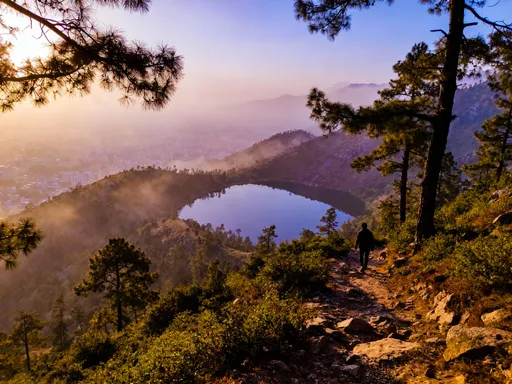
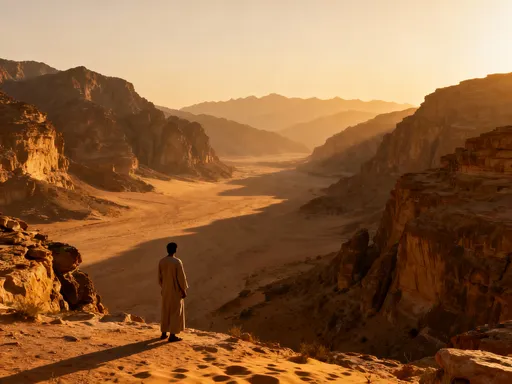
As I stood on a ridge overlooking a quiet wadi at sunset, the call to prayer echoed faintly from the city below. The sky turned gold, then deep purple, and the rocks absorbed the last warmth of the day. In that moment, the boundaries between nature and spirit felt not just blurred, but unified. This was not a place to seek answers, but to listen—to the wind, to the silence, to the subtle pulse of life persisting in the harshest conditions. The sacred, I realized, is not confined to marble floors and golden domes. It also lives in the resilience of a desert flower, the flight of a bird across ancient cliffs, the stillness of a mountain that has witnessed centuries of devotion.
Mecca’s hidden reserves offer a rare gift: the chance to experience holiness in its most elemental form. They remind us that reverence can take many shapes—that caring for the Earth is itself an act of faith. In a world where travel often means consumption, these landscapes invite a different way of moving through the world: slowly, quietly, with gratitude. They challenge us to redefine what it means to visit a sacred place—not as tourists, but as guests.
The future of these spaces depends on choices made today. By supporting conservation, respecting access rules, and traveling with intention, each visitor becomes part of a larger story—one of protection, balance, and hope. Mecca is more than a destination. It is a living landscape, breathing with history, faith, and the quiet strength of the natural world. To witness it in full is to understand that true pilgrimage does not end at the mosque. It continues into the wild, where the Earth itself whispers prayers written in stone, wind, and time.