You Won’t Believe What I Saw at Yosemite — This Is Nature on Another Level
Yosemite isn’t just a national park — it’s a living postcard that hits you right in the soul. I went expecting mountains and trees, but what I got was a full-on sensory explosion: granite cliffs scraping the sky, waterfalls dropping like liquid silver, and silence so deep it feels sacred. This isn’t just sightseeing — it’s experiencing Earth at its most raw. If you’ve ever wanted to feel small in the best way possible, Yosemite delivers. Let me show you how to make every view unforgettable.
Why Yosemite Stands Out in the World of Natural Wonders
Among the world’s most celebrated natural landscapes, Yosemite National Park occupies a rare place of reverence. Recognized as a UNESCO World Heritage Site since 1984, it is more than a scenic destination — it is a geological masterpiece shaped by ancient glaciers, tectonic forces, and millennia of natural evolution. Spanning over 748,000 acres in California’s Sierra Nevada, Yosemite offers a concentration of natural drama unmatched in North America. Towering granite monoliths like El Capitan and Half Dome rise with near-mythic presence, their sheer faces catching the sun like polished stone sentinels. Deep glacial valleys carved by ice over 10,000 years ago now cradle meadows, rivers, and forests that pulse with life.
What sets Yosemite apart is not just its scale, but the harmony of its elements. The park hosts over 400 species of animals and nearly 1,500 plant species, creating a living mosaic where black bears roam oak woodlands, peregrine falcons soar above cliffs, and wildflowers paint the valley floor in spring. Its waterfalls — among the tallest in North America — are fed by snowmelt from high-elevation basins, ensuring a seasonal rhythm that transforms the landscape throughout the year. From the ecological richness to the dramatic topography, Yosemite is a textbook example of nature’s balance between power and beauty.
For many visitors, the first glimpse of Yosemite Valley is nothing short of emotional. Whether seen from Tunnel View at sunrise or from the winding curves of Wawona Road, the valley unfolds like a revelation. The sheer verticality of the cliffs, the soft green of the meadows, and the reflective ribbon of the Merced River combine into a scene that feels both vast and intimate. One traveler described it as “standing inside a cathedral built by time,” and that sentiment echoes across generations of visitors. This emotional resonance — the sense of awe, humility, and wonder — is what makes Yosemite not just a destination, but a transformative experience.
Best Times to Visit for Unbeatable Scenery
Timing your visit to Yosemite can mean the difference between a good trip and an extraordinary one. The park’s beauty shifts dramatically with the seasons, each offering a distinct palette of light, color, and natural activity. Spring, from April to early June, is often considered the most spectacular time to visit. This is when the snowpack from the high country begins to melt, fueling the park’s legendary waterfalls. Yosemite Falls, at 2,425 feet, becomes a thundering cascade, while Bridalveil Fall flows with graceful intensity. The air is crisp, wildflowers begin to bloom, and the valley is bathed in soft, golden light — ideal for photography and quiet contemplation.
Summer, from late June through August, brings warm days and full access to most areas of the park, including Glacier Point and Tuolumne Meadows. This is the peak season for families and outdoor enthusiasts, with long daylight hours perfect for hiking, rock climbing, and stargazing. However, popularity comes with trade-offs: crowded trails, limited parking, and frequent shuttle bus traffic. To make the most of summer, arriving early in the morning — before 8 a.m. — can help avoid congestion and secure parking at key viewpoints. Evenings tend to be cooler and more peaceful, offering golden hour light that enhances the granite’s warm tones.
Fall, from September to November, offers a quieter, more reflective experience. As summer crowds dissipate, the park regains a sense of calm. The trees in the valley — particularly black oaks and dogwoods — turn golden and crimson, creating a striking contrast against the gray stone. Daytime temperatures remain pleasant, and the light takes on a soft, diffused quality ideal for photography. Waterfalls may be reduced to a trickle by this time, but the sense of serenity compensates for the lower flow. Winter, from December to March, transforms Yosemite into a snow-covered wonderland. Yosemite Valley remains accessible year-round, and snow dusts the meadows and trees like powdered sugar. Ice formations on waterfalls, frost-covered meadows, and the sight of Half Dome blanketed in white offer a rare and serene beauty. While some high-elevation roads close, winter visitors enjoy solitude, cross-country skiing, and the magic of a silent, snow-laden forest.
Must-See Viewpoints and What Makes Each One Special
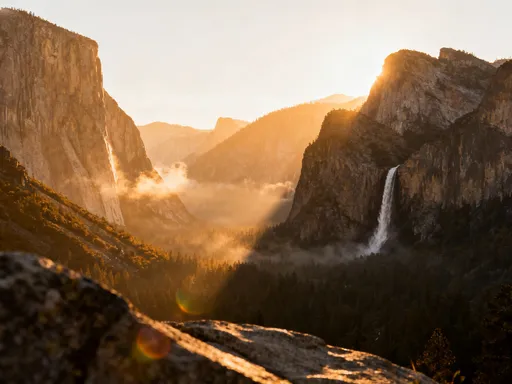
No visit to Yosemite is complete without experiencing its iconic viewpoints, each offering a unique perspective on the park’s grandeur. Tunnel View, located at the east end of the Wawona Tunnel, is perhaps the most photographed spot in the park. As you emerge from the tunnel, the entire Yosemite Valley unfolds in a single breathtaking panorama: Bridalveil Fall on the left, El Capitan on the right, and Half Dome rising in the distance. At sunrise or sunset, the granite glows in warm hues, creating a scene so perfect it feels unreal. The viewpoint is fully accessible, with ample parking and viewing space, making it ideal for families and photographers of all levels.
Glacier Point offers one of the most dramatic vantage points in the entire park. Perched 3,200 feet above Yosemite Valley, it provides a sweeping, unobstructed view of Half Dome, Yosemite Falls, and the High Sierra beyond. On clear days, visibility extends for over 100 miles. The journey to Glacier Point — whether by car (seasonally open) or via the Four Mile Trail hike — is part of the experience. Sunset here is particularly powerful, as the last light catches the face of Half Dome and the valley below falls into shadow. For those seeking a quieter alternative, Sentinel Dome delivers a 360-degree panorama with far fewer visitors. A short, moderate hike leads to the summit, where you can stand atop a granite dome and see everything from Clouds Rest to Yosemite Valley.
Olmsted Point, located along the Tioga Road in the park’s high country, offers a less-visited but equally stunning perspective. Unlike the valley views, Olmsted Point looks westward across Tenaya Lake and toward Clouds Rest and Half Dome from an unusual angle. The site is named after Frederick Law Olmsted Jr., a key figure in the development of the National Park Service, and it reflects his vision of preserving natural vistas. The terrain here is rugged, with exposed granite and scattered Jeffrey pines, giving a sense of the park’s alpine character. All of these viewpoints vary in accessibility: Tunnel View and Glacier Point (when open) are accessible by car, while Sentinel Dome and Olmsted Point require short hikes. Each offers something different — whether it’s the grandeur of scale, the quality of light, or the sense of solitude — making them essential stops on any Yosemite itinerary.
Hidden Gems Beyond the Postcard Spots
While the famous viewpoints draw well-deserved attention, some of Yosemite’s most profound moments happen off the beaten path. These lesser-known locations offer intimacy, solitude, and a deeper connection to the landscape. Taft Point, located just south of Glacier Point, is a prime example. A relatively short hike — about 2.2 miles round-trip — leads to a dramatic cliff edge that overlooks Yosemite Valley. The view straight down to the valley floor is vertigo-inducing, yet the sense of exposure is balanced by the quiet beauty of the surrounding forest. At sunset, the light bathes the opposite cliffs in warm tones, and on clear nights, the stars emerge with startling clarity. Unlike Glacier Point, Taft Point sees fewer visitors, allowing for a more personal experience.
Dewey Point, accessible via a longer hike or by shuttle and walk, offers one of the most expansive views in the park. Located on the north rim of the valley, it looks directly across to El Capitan and Half Dome with no obstructions. Because it requires more effort to reach, Dewey Point remains quiet even in peak season. The trail passes through mixed conifer forest and opens onto a broad, rocky platform perfect for sitting and absorbing the silence. The sense of remoteness here is powerful — it feels like standing on the edge of the world, with only the wind and distant bird calls for company.
Chilnualna Falls, in the park’s less-visited southern region near Wawona, is another hidden treasure. This series of cascades tumbles down a rugged granite slope, surrounded by oak woodlands and seasonal wildflowers. The trail to the upper falls is moderately challenging but rewards hikers with multiple viewing points and the soothing sound of rushing water. Because it’s outside the main valley corridor, Chilnualna sees far fewer tourists, making it ideal for those seeking peace and natural immersion. Visiting these hidden spots requires preparation: sturdy footwear, extra water, and awareness of trail conditions. But the reward is a Yosemite that feels untouched — not just seen, but truly felt.
How to Plan Your Day Like a Pro for Maximum Views
Maximizing your time in Yosemite requires thoughtful planning, especially during peak seasons when traffic and crowds can limit access. For a one-day visit, starting early is essential. Arriving at the park before 7 a.m. allows you to secure parking at key locations and experience the valley in relative quiet. A recommended itinerary begins at Tunnel View for sunrise, followed by a stop at Bridalveil Fall, then a drive into Yosemite Village for restrooms and visitor information. From there, a morning hike to the base of Lower Yosemite Fall (an easy 1-mile loop) offers close-up views of the waterfall and the surrounding forest. After lunch, head to Glacier Point if the road is open, or take the Valley Floor Tour shuttle for a guided overview of the park’s highlights.
For a two-day visit, consider splitting your time between the valley and the high country. Day one can focus on valley landmarks, while day two explores Tuolumne Meadows, Olmsted Point, and Tenaya Lake — areas that showcase the park’s alpine character. Staying overnight in Yosemite Valley or nearby lodges like Yosemite Valley Lodge or Curry Village makes early starts easier. For extended stays of three days or more, incorporate longer hikes such as the Mist Trail to Vernal and Nevada Falls, or a sunrise hike to Sentinel Dome. These deeper explorations allow you to witness the park’s changing light and moods across multiple days.
Transportation within the park is streamlined thanks to the free Yosemite Valley Shuttle system, which operates year-round with stops at major viewpoints, trailheads, and lodging areas. Using the shuttle reduces parking stress and helps preserve air quality. For those driving, parking at trailheads fills quickly — arriving by 8 a.m. is often necessary. Walking between nearby points, such as from Yosemite Village to Sentinel Beach or the Ahwahnee Hotel, enhances the experience and reduces vehicle dependency. With smart timing and route planning, even a short visit can yield unforgettable views and a deep sense of connection to this remarkable landscape.
Photography Tips to Capture Yosemite’s True Essence
Capturing Yosemite’s beauty doesn’t require professional gear — it requires patience, timing, and respect for the environment. Even a smartphone can produce stunning images when used thoughtfully. The key is understanding light. Golden hour — the first and last hour of sunlight — transforms the granite cliffs into warm, glowing walls. Sunrise at Tunnel View or sunset at Glacier Point offers the most dramatic lighting, with long shadows and rich color contrasts. Overcast days, often dismissed by photographers, can actually enhance waterfalls by reducing harsh highlights and bringing out texture in the rock.
Framing is equally important. Instead of centering the entire cliff or waterfall, try using natural elements like tree branches, meadow grasses, or foreground rocks to create depth and context. A small pine tree in the foreground can add scale to Half Dome, while reflections in the Merced River can double the visual impact of a scene. For those using DSLR or mirrorless cameras, a polarizing filter helps reduce glare on water and enhances sky contrast, while a tripod allows for long exposures that smooth waterfall motion into a silky flow.
Most importantly, photography should never come at the expense of safety or conservation. Staying on designated paths, avoiding trampling vegetation, and never leaning over guardrails for a better angle are non-negotiable. Park rangers have documented numerous incidents where visitors risked injury — or worse — for the perfect shot. True photography in Yosemite is about presence: taking the time to observe, absorb, and then record what you’ve experienced. The best images are often those taken after waiting quietly, letting the light shift and the moment reveal itself.
Protecting the View: How Visitors Can Preserve the Experience
The very beauty that draws millions to Yosemite is also its most fragile asset. As visitation increases — exceeding four million people annually — the need for responsible tourism has never been greater. The Leave No Trace principles provide a clear framework for minimizing impact: pack out all trash, stay on designated trails, avoid feeding wildlife, and respect quiet zones. These actions may seem small, but collectively, they preserve the integrity of the landscape for future generations.
Overcrowding affects more than just parking — it alters the experience of solitude and connection that many seek in nature. When too many people gather at a single viewpoint, the sense of awe can be diluted by noise and congestion. Choosing less-visited spots, visiting during shoulder seasons, and spreading out across the park help distribute impact. Additionally, using the shuttle system reduces vehicle emissions and road wear, contributing to cleaner air and quieter surroundings.
Preservation also means carrying Yosemite’s spirit beyond the park boundaries. Sharing photos and stories is natural, but doing so with reverence — rather than sensationalism — helps maintain the park’s dignity. Encouraging others to visit mindfully, to listen to the wind rather than just take selfies, ensures that Yosemite remains not just a destination, but a sanctuary. This place does not exist for us — we are merely passing through. And in that passing, we have the privilege — and responsibility — to protect what we’ve been given.
In the end, Yosemite’s true value lies not just in what you see, but in how it changes the way you see nature forever. It reminds us of the Earth’s grandeur, its quiet strength, and its delicate balance. To visit is to witness something ancient and enduring. To leave it unchanged is to honor that gift. Go with wonder. Stay with care. Return with gratitude.