You’ve Never Seen Korea Like This — Hidden Nature Escapes in Daejeon
Think Korea is all cities and K-pop? Let me take you somewhere different. Tucked between Seoul and Busan, Daejeon is often overlooked — but it’s packed with quiet forests, winding rivers, and mountain trails that few tourists ever see. I went off the usual path and discovered a side of Korea that’s peaceful, raw, and breathtaking. If you're craving nature without the crowds, this is your sign to explore Daejeon’s hidden green heart.
Why Daejeon? The Underrated Gateway to Korean Nature
Daejeon may not be the first name that comes to mind when planning a Korean getaway, but its central location makes it a natural bridge between the country’s bustling north and south. Nestled where the fertile plains meet the rugged foothills of the Sobaek Mountains, the city is encircled by rivers, rolling hills, and forested peaks. While it’s widely known as Korea’s science hub — home to research institutes and high-tech campuses — this reputation has overshadowed its quieter, more serene qualities. The truth is, Daejeon offers an ideal balance between accessibility and escape, making it a perfect base for travelers seeking both convenience and connection to nature.
Many visitors pass through Daejeon on high-speed trains without stepping off, assuming it’s just another urban stop. But those who pause discover a city where nature isn’t on the outskirts — it’s woven into daily life. In recent years, South Korea has seen a growing movement toward eco-conscious travel, with more people opting for low-impact, mindful experiences over crowded tourist zones. Daejeon aligns perfectly with this trend, offering trails, rivers, and woodland sanctuaries that remain refreshingly free of commercial clutter. Here, the rhythm of life slows just enough to let you breathe.
What sets Daejeon apart is its authenticity. Unlike destinations shaped by mass tourism, its natural spaces have been preserved primarily for local use. This means fewer guidebook checklists and more opportunities for spontaneous discovery. Whether it’s an elderly couple feeding ducks by the river, children laughing on a forest path, or a lone hiker pausing at a mountain overlook, the scenes feel unscripted and genuine. For travelers who value real moments over photo ops, Daejeon delivers. It’s not a showcase — it’s a living, breathing part of Korean life, where nature is not a luxury, but a constant companion.
Gwanbyeon Valley: A Secret Oasis Just Outside the City
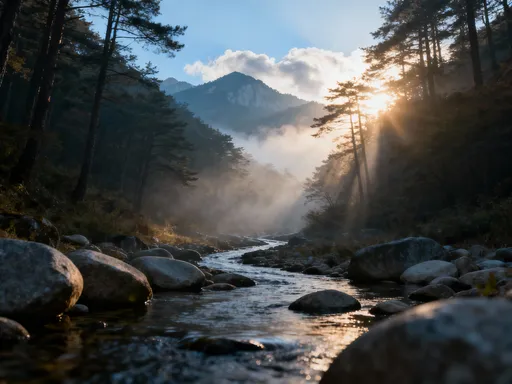
Just a short journey from Daejeon’s urban core lies Gwanbyeon Valley, a lush retreat where the sound of rushing water drowns out city noise. This hidden gem is cradled between forested slopes and threaded with crystal-clear streams that shimmer under dappled sunlight. Stone pathways wind through dense foliage, crossing wooden bridges and leading to quiet clearings where visitors can sit and absorb the stillness. The valley is especially enchanting in spring, when wildflowers bloom in soft purples and whites, and in autumn, when the maple and ginkgo trees ignite in fiery reds and golds. Few tourists find their way here, but locals cherish it as a sanctuary for reflection and renewal.
Reaching Gwanbyeon Valley is easier than one might expect. Public buses run regularly from central Daejeon, dropping visitors within a 10-minute walk of the trailhead. For the more adventurous, cycling along the designated greenway offers a scenic approach, with wide, well-maintained paths that follow the curve of the river. The trail system is thoughtfully designed, with clear signage in both Korean and English, making navigation straightforward even for first-time visitors. A loop trail, approximately 4 kilometers long, allows hikers to experience the full breadth of the valley without requiring advanced fitness or technical gear.
One of the most memorable moments during my visit came unexpectedly. After following the main path, I turned onto a narrow side trail marked only by a simple wooden sign. Ten minutes later, I emerged at a small stone pavilion perched beside a quiet pool. No one else was around. The only sounds were the trickle of water and the rustle of leaves. It felt like stepping into a traditional Korean painting — a moment of perfect harmony between man, nature, and stillness. I sat there for nearly an hour, simply watching the light shift on the water, feeling the kind of peace that can’t be rushed or scheduled.
For those planning a visit, timing can enhance the experience. Early mornings on weekdays are ideal for solitude, while weekends draw families and small groups enjoying picnics or gentle walks. Spring and fall offer the most comfortable temperatures and the most vibrant scenery, though even in summer, the tree canopy keeps the air cool. A light backpack with water, snacks, and a rain jacket is all you’ll need. There are no shops or restaurants in the valley, which adds to its unspoiled charm. This is nature in its purest form — not curated, not commercialized, but deeply restorative.
Daedeoksan Mountain: Where City Meets Wilderness
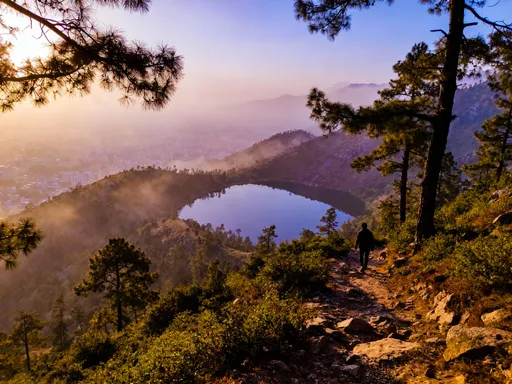
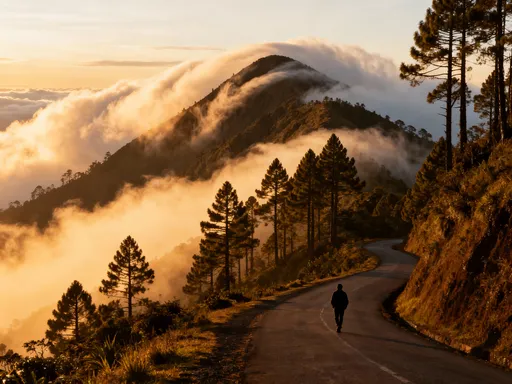
Rising just to the west of Daejeon, Daedeoksan Mountain is a beloved escape for locals who seek elevation — both physical and spiritual. At 802 meters, it’s not the tallest peak in Korea, but its accessibility and panoramic views make it a favorite among hikers of all levels. From the summit, the city unfolds like a living map, with the Gapcheon River tracing a silver line through neighborhoods and parks. On clear days, the distant peaks of the Sobaek range come into view, creating a breathtaking contrast between urban life and wild terrain. What makes Daedeoksan special is its ability to offer both challenge and calm, depending on which trail you choose.
Several well-marked routes lead to the top, each with its own character. The most popular is the southern trail, which begins near Daedeokjeon Station and climbs steadily through a mixed forest of oak, pine, and birch. This path is suitable for beginners and takes about 90 minutes at a moderate pace. For those seeking a greater challenge, the eastern ridge offers steeper ascents and rugged terrain, rewarding climbers with secluded viewpoints and a stronger sense of solitude. Along the way, small shrines and prayer flags flutter in the breeze, adding a quiet spiritual presence to the journey. These are not major temples, but humble offerings — a reminder that mountains have long been places of contemplation in Korean culture.
Safety and accessibility are well considered on Daedeoksan. Trails are regularly maintained, with sturdy steps, handrails on steep sections, and emergency call boxes at key points. Rest areas with benches and informational boards provide opportunities to pause and learn about the local flora and history. While there are no restaurants on the mountain, vending machines near the base offer drinks and light snacks. It’s advisable to carry your own water and energy-rich food, especially if hiking in warmer months. Weather can change quickly, so checking conditions before departure is wise. A light jacket, even in summer, ensures comfort at higher elevations where the breeze can be cool.
One of the most touching aspects of Daedeoksan is how it brings people together. On weekends, you’ll see grandparents walking with grandchildren, friends chatting on benches, and solo hikers pausing to take in the view. It’s not a place for competition or speed — it’s about presence. The climb becomes a form of moving meditation, each step a chance to let go of daily worries. When you reach the top, the reward isn’t just the view, but the quiet pride of having made the journey. For many, this mountain is more than a trail — it’s a ritual, a return to balance, a way of reconnecting with what matters.
The Gapcheon River: Urban Nature Done Right
If Daedeoksan represents Daejeon’s wild side, the Gapcheon River embodies its harmonious blend of city and nature. Flowing through the heart of the city, this revitalized waterway is a model of thoughtful urban planning. Once overlooked and underused, the riverbanks have been transformed into a continuous green corridor where residents walk, cycle, and gather. Unlike concrete-lined rivers in many cities, Gapcheon retains a natural character, with gently sloping banks, native plants, and shallow zones that attract birds and dragonflies. It’s a place where urban life doesn’t fight nature — it embraces it.
The riverfront is lined with wide, paved paths perfect for walking or biking. Rental bikes are available at several points, making it easy to cover long stretches without effort. Along the way, you’ll pass community gardens, open plazas, and small playgrounds where families spend afternoons. In spring, cherry and azalea trees bloom in bursts of pink and purple, while summer brings lotus flowers floating in calm backwaters. Autumn transforms the riverside into a gallery of golden ginkgoes and crimson maples. Even in winter, the path remains inviting, with lights glowing along the banks and steam rising from the water on cold mornings.
One of the most magical times to visit is at dusk. As the city lights come on, the river reflects them like a mirror, creating a soft, shimmering glow. Riverside cafes and tea houses stay open late, offering warm drinks and quiet seating. Some have outdoor decks where you can sit with a book or simply watch the water. It’s not a bustling nightlife scene — it’s the opposite. This is a space designed for unwinding, for slowing down, for letting the day settle. Locals come here to clear their minds, not to be seen. You might see someone practicing tai chi on the bank, a couple sharing a quiet conversation, or a lone photographer capturing the fading light.
What makes the Gapcheon River so successful is its inclusivity. It’s not a destination for tourists or the wealthy — it’s for everyone. Children fly kites in the open fields, office workers take post-lunch strolls, and elderly couples sit on benches feeding bread to ducks. The city has invested in accessibility, with ramps, restrooms, and shaded areas ensuring comfort for all ages and abilities. Events like seasonal flower festivals and lantern walks add gentle excitement without disrupting the peaceful atmosphere. This river isn’t just a scenic feature — it’s a vital part of Daejeon’s soul, a daily reminder that beauty and calm can exist within city limits.
Daejeon’s Hidden Temples and Forest Shrines
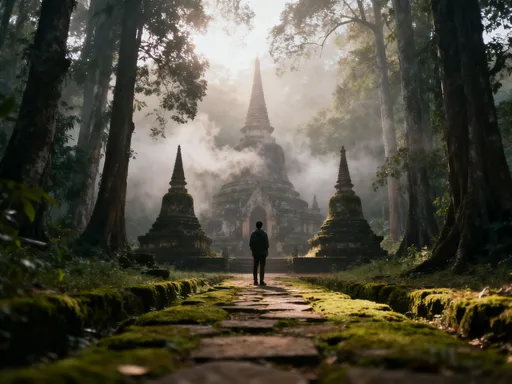
Scattered throughout Daejeon’s wooded hills are small temples and meditation sites that few visitors ever encounter. These are not grand palaces of worship, but quiet hermitages nestled in the trees, often reached by narrow forest paths. Places like Yongunsa Temple and smaller, unnamed retreats offer spaces of deep stillness, where the only sounds are wind in the pines and the occasional chime of a bell. These sites are not marketed to tourists, and there are no entrance fees or souvenir stalls. They exist for contemplation, for those who seek a moment of silence away from the noise of daily life.
One such place I discovered is a small wooden shrine halfway up Gyungho Mountain. There was no sign, only a worn stone stairway leading upward through ferns and moss-covered rocks. At the top, a simple structure with a tiled roof stood in a clearing, surrounded by towering trees. A stone Buddha sat calmly beneath an overhang, draped in a cloth offering. The air was cool and still. I sat on a nearby bench and closed my eyes, listening to the forest breathe. No one else came during the hour I stayed. It wasn’t about religion — it was about presence. In that space, time slowed, and the mind could finally rest.
Visiting these sites requires respect and discretion. While they are open to the public, they are not attractions. Dress modestly, speak softly, and avoid disruptive behavior. It’s customary to bow slightly when passing a shrine or Buddha statue, not as an act of worship, but as a gesture of respect. Photography should be done discreetly, if at all, and flash should never be used. The goal is not to capture an image, but to absorb the feeling. These places are not for performance — they are for being.
For women traveling alone or in small groups, these forest shrines offer a safe and serene environment. The paths are well-used by locals, and the presence of occasional monks or caretakers adds a sense of security. These spaces are not isolated — they are part of a living tradition of mindfulness that continues quietly in modern Korea. By visiting them with humility, travelers can participate in that tradition, even briefly. It’s a rare gift: to find silence in a world that rarely offers it.
Practical Tips for a Smooth Nature Getaway
Planning a visit to Daejeon’s natural spaces is simple, but a few practical considerations can make the experience even more enjoyable. The best times to visit are spring (April to early June) and autumn (September to November), when temperatures are mild and the scenery is at its most vibrant. Summer can be hot and humid, though early mornings or higher elevations remain comfortable. Winter is quiet and peaceful, with fewer visitors and a serene, frost-kissed landscape, though trails may be icy in places.
Getting to Daejeon is easy from major cities. High-speed KTX trains connect Seoul, Busan, and Daejeon in under two hours, with frequent departures throughout the day. From Daejeon Station, local buses and taxis provide access to all major natural sites. The city’s public transportation system is reliable and clearly marked, with many signs in English. For those who prefer independence, renting a bicycle or using a navigation app like Naver Maps (which works better than Google in Korea) can enhance mobility.
Packing wisely ensures comfort and safety. Sturdy trail shoes with good grip are essential for mountain paths. Layered clothing allows for adjustments as temperatures change with elevation. A reusable water bottle helps stay hydrated, and a small backpack can carry snacks, sunscreen, and a light rain jacket. While most trails are well-marked, carrying a downloaded map or using an offline navigation app is wise, especially in forested areas where phone signals may be weak.
Basic Korean phrases can enrich interactions with locals. Simple greetings like “Annyeonghaseyo” (Hello) and “Kamsahamnida” (Thank you) are appreciated. Knowing phrases like “Yeogi isseoyo?” (Is this the way to…?) or “Hwansunghalgeyo” (Excuse me) can help when asking for directions. Most younger locals speak some English, but older residents may not, so a few key words go a long way. Above all, a warm smile and respectful demeanor open doors more than language ever could.
Why Small-Scale Nature Travel Matters
In a world where travel often means ticking off famous landmarks and chasing Instagram moments, choosing a place like Daejeon is a quiet act of resistance. It’s a decision to slow down, to listen, to notice the small things — the way light filters through leaves, the sound of water over stones, the peace of an empty trail. These experiences may not make viral posts, but they leave deeper imprints on the heart. Small-scale nature travel is not about escaping reality — it’s about returning to it, to the rhythms that ground us and restore our balance.
By visiting lesser-known destinations, travelers also support sustainable tourism. Crowded hotspots often suffer from environmental strain, while quieter areas like Daejeon benefit from gentle attention. Local economies grow without being overwhelmed, traditions are preserved, and natural spaces remain protected. Every respectful visitor helps maintain this balance, proving that tourism can be kind — to people, to places, and to the planet.
For women in their 30s to 50s, often balancing family, work, and personal well-being, a trip to Daejeon offers something rare: space. Space to breathe, to reflect, to remember who you are beyond roles and responsibilities. There’s no pressure here, no need to perform. Just the freedom to walk, to sit, to be. In this city between mountains and rivers, nature doesn’t demand — it welcomes. It doesn’t dazzle — it heals.
Daejeon may never be the most famous name in Korean tourism, and perhaps that’s exactly what makes it special. It’s not a stopover. It’s not a footnote. It’s a destination for the soul — a quiet reminder that sometimes, the most beautiful places are the ones no one told you about. So if you’re ready to see Korea in a new light, to trade crowds for calm and noise for stillness, let Daejeon be your next journey. You might just find that the path less traveled doesn’t just lead to nature — it leads back to yourself.