You Won’t Believe These Hidden Natural Wonders Near Islamabad
Nestled between mountains and valleys, Islamabad is more than just a capital city—it’s a gateway to some of Pakistan’s most breathtaking yet overlooked natural landscapes. Far from the crowds, quiet trails, alpine lakes, and misty peaks await those willing to explore. I was stunned by the raw beauty just hours from the urban center. This isn’t your typical tourist route—it’s a journey into nature’s untouched artistry. While many travelers pass through Islamabad en route to northern destinations, few pause to discover the serene wilderness that cradles the city. Just beyond its well-planned avenues and diplomatic enclaves lies a world of pine forests, shimmering lakes, and ancient pathways that whisper stories of quiet resilience. These hidden wonders offer not just scenic relief, but a chance to reconnect with the earth in its most unspoiled form.
Beyond the City: Discovering Islamabad’s Wild Side
Islamabad is often perceived as a modern, orderly capital—a city of wide boulevards, government buildings, and diplomatic missions. Yet this polished image masks a wilder truth: the city is cradled by nature in a way few capitals can claim. Situated at the edge of the Potohar Plateau and bordered by the Margalla Hills to the north, Islamabad rests where the plains meet the Himalayan foothills. This unique geographical position creates a dramatic transition zone, rich in biodiversity and natural beauty. Within a 30-minute drive from the city center, urban noise fades into birdsong, concrete gives way to forest trails, and the air grows cooler and cleaner.
What makes this proximity so remarkable is accessibility. Unlike remote mountain destinations requiring days of travel, Islamabad’s natural escapes are within reach for a morning hike, afternoon picnic, or sunset viewing. Families, solo travelers, and weekend adventurers can immerse themselves in nature without extensive planning or costly logistics. Despite this, these areas remain under-visited by international tourists, who often overlook the region in favor of more famous northern destinations like Murree or Swat. Yet, the landscapes near Islamabad offer a quieter, more intimate experience—free from commercialization and mass tourism.
The contrast between city and nature is not just physical but emotional. Stepping into the hills is like entering a different world—one governed by the rhythm of seasons, not traffic signals. This duality makes Islamabad a rare urban center where nature isn’t just a backdrop but an active, living presence. For residents and visitors alike, the opportunity to escape into wilderness so effortlessly is a privilege worth recognizing and protecting. The real magic lies not in grand vistas alone, but in the ease with which one can step from modernity into stillness.
Margalla Hills: More Than a Morning Hike
At the heart of Islamabad’s natural appeal is the Margalla Hills National Park, a sprawling reserve that forms the northern boundary of the city. Covering over 17,000 hectares, the park is a sanctuary of rugged terrain, dense forests, and winding trails. While many locals use it for daily exercise, the hills offer far more than a simple cardio session. They are a living ecosystem, home to over 600 plant species, 28 mammal species, and more than 150 types of birds. Langur monkeys swing through the trees, jackals roam at dusk, and, though rarely seen, leopards still inhabit the deeper reaches of the forest.
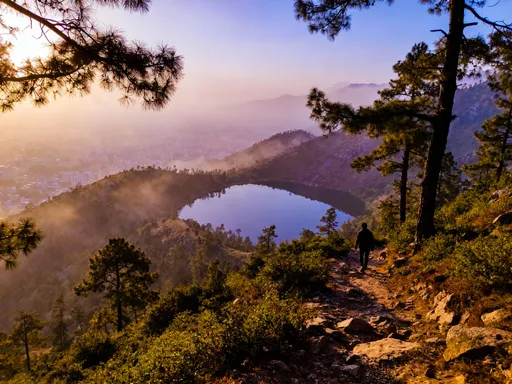
Among the most popular routes are Trail 3 and Trail 5, each offering distinct experiences. Trail 3, starting near the Zoo Gate, is moderately challenging and rewards hikers with panoramic views of the city and surrounding valleys. It’s especially beautiful in the early morning when mist clings to the ridges and sunlight filters through the oak and pine trees. Trail 5, less crowded and more secluded, winds through dense woodland and leads to quiet clearings perfect for meditation or birdwatching. Both trails are well-marked and safe for solo travelers, including women and families, when visited during daylight hours.
What sets the Margalla Hills apart is their dual role as both recreational space and ecological preserve. Unlike developed parks with paved paths and amusement areas, much of the terrain remains wild. Visitors are encouraged to follow Leave No Trace principles—carrying out all waste, avoiding loud noises, and not feeding wildlife. Rangers patrol the area to ensure safety and conservation, and information boards at entry points educate visitors about local flora and fauna. For those seeking deeper immersion, overnight camping is permitted in designated zones with prior permission, allowing for stargazing and the rare experience of hearing only wind and wildlife under open skies.
The Hidden Gem: Shakarparian and Its Secret Vistas
Just south of the Margalla Hills lies Shakarparian, a serene and often overlooked destination that offers some of the most peaceful views in the region. Tucked between diplomatic enclaves and residential zones, this landscaped park provides a quiet retreat without requiring physical exertion. Unlike hiking trails that demand stamina, Shakarparian is accessible by car and features paved walkways, shaded benches, and open lawns perfect for relaxation. Its elevated position allows for unobstructed views of Islamabad’s skyline, framed by rolling hills and distant mountain ranges.
One of the most cherished experiences here is watching the sunset. As the sun dips below the horizon, the city lights begin to twinkle, creating a soft, golden glow across the valley. The atmosphere is calm and contemplative, making it a favorite among locals seeking solitude or couples enjoying a quiet evening. The park also houses the Pakistan-China Friendship Center and a cultural garden that blends traditional motifs with natural landscaping, offering a subtle nod to international harmony through design.
What makes Shakarparian truly special is its balance of accessibility and tranquility. It’s close enough to the city to be a spontaneous stop, yet remote enough to feel like an escape. Families bring children to play in open spaces, photographers capture the changing light, and elderly visitors enjoy slow walks under tree canopies. There are no loud attractions or commercial vendors—just nature, quiet, and the gentle rustle of leaves. For travelers with limited mobility or those traveling with young children, this spot offers a meaningful connection to nature without physical strain.
Lake Dreams: The Quiet Beauty of Rawal Lake
Surrounded by hills and forests, Rawal Lake is a scenic oasis that serves both as a water source and a recreational haven. Spanning over 8.8 square kilometers, the lake was created by damming the Kurram River and now supports a rich ecosystem of fish, birds, and aquatic plants. During winter months, it becomes a haven for migratory birds, including northern pintails, common pochards, and Eurasian coots. Birdwatchers and nature photographers flock here at dawn, when the water is still and reflections of the sky create a mirror-like surface.
Recreational activities around the lake include paddle boating, walking trails, and picnicking in designated green zones. The Pakistan Monument side of the lake features a well-maintained promenade with benches and shaded areas, ideal for families. Despite its beauty, Rawal Lake remains relatively unknown to international tourists, preserving its peaceful ambiance. Unlike crowded urban parks in other capitals, this space retains a sense of serenity, with low visitor numbers and minimal commercial development.
For the best experience, visitors are advised to arrive early in the morning or late afternoon. Midday heat can be intense, especially in summer, and the sun reflects strongly off the water. Entry points are clearly marked, with security checks in place to ensure public safety. While boating is permitted, it is regulated to prevent pollution and disturbance to wildlife. Visitors are encouraged to use eco-friendly practices—avoiding plastic, staying on marked paths, and refraining from feeding birds. The lake’s quiet beauty is not just a visual treat but a reminder of how urban spaces can coexist with nature when managed with care.
Escape to Nurpur and Phulgran: Ancient Forests and Fresh Air
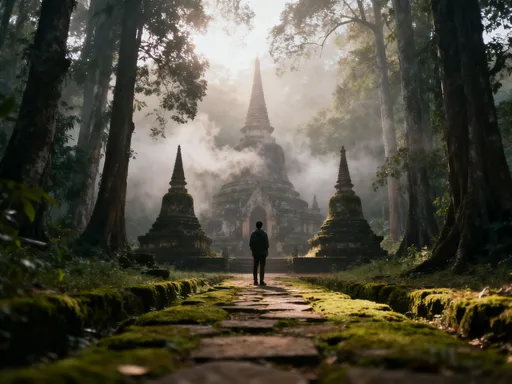
For those seeking deeper solitude, the forested areas of Nurpur and Phulgran offer a step further into untouched nature. Located just a short drive from Islamabad, these zones are part of the larger Changa Manga forest system and have been preserved for decades due to their ecological and historical significance. Nurpur, in particular, is known for its centuries-old pathways lined with towering pine and chir pine trees, their trunks twisted by time and weather. The air here carries a crisp, resinous scent, and the forest floor is carpeted with fallen needles, muffling footsteps and amplifying the sense of seclusion.
What makes these forests remarkable is their lack of development. Unlike commercialized tourist spots, Nurpur and Phulgran have no souvenir stalls, no loud music, and no artificial attractions. Visitors come simply to walk, breathe, and be present. The trails are minimally maintained, preserving their natural state, and foot traffic is low, especially on weekdays. This makes the area ideal for mindfulness practices, forest bathing, or simply disconnecting from digital noise.
Historically, these forests were used as rest stops for travelers and royal hunting grounds during the Mughal era. Today, they serve as quiet sanctuaries for those seeking mental clarity and physical rejuvenation. The cooler microclimate provides relief from summer heat, and the dense canopy offers protection from rain and sun alike. While access is straightforward by private vehicle, public transportation is limited, which helps control visitor numbers and reduce environmental impact. For responsible travelers, this presents an opportunity to explore with minimal footprint, leaving only footprints and taking only memories.
Daman-e-Koh and Pir Sohawa: Elevation with a View
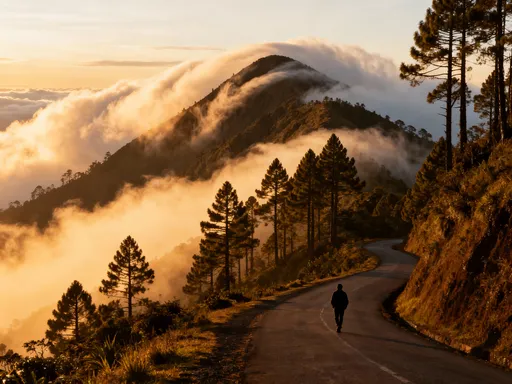
No exploration of Islamabad’s natural wonders is complete without a visit to Daman-e-Koh and Pir Sohawa, two scenic viewpoints perched high above the city. The drive up the winding road from Sector F-6 is an experience in itself, with each turn revealing broader vistas of green valleys and distant peaks. Daman-e-Koh, meaning “Palm of the Mountain,” offers a spacious viewing platform with telescopes and seating areas. It’s especially popular at sunrise, when the first light bathes the Margalla Hills in soft pink and gold.
Pir Sohawa, located further up the same route, is more developed, with small restaurants and tea stalls serving local snacks. While it attracts more visitors, particularly on weekends, arriving early or on weekdays ensures a peaceful experience. The panoramic view from Pir Sohawa stretches across the entire Islamabad-Rawalpindi metropolitan area, with the Himalayan foothills forming a majestic backdrop. On clear days, the snow-capped peaks of the Galyat range can be seen in the distance, a reminder of the greater mountain system that begins just beyond.
The microclimate at these elevations is noticeably cooler, making them ideal retreats during hot months. Locals often come here to escape the heat, enjoy a cup of tea, and watch the city below. For travelers, these spots offer more than just photography opportunities—they provide a moment of reflection, a chance to see the city from a new perspective. The journey upward mirrors a personal ascent, leaving behind the noise and clutter of daily life. To avoid crowds, it’s best to visit on weekday mornings or during the shoulder seasons of spring and autumn, when temperatures are mild and skies are clear.
Travel Tips and Responsible Exploration
Exploring the natural wonders near Islamabad is both rewarding and straightforward, but a few practical tips can enhance the experience. The best times to visit are spring (March to May) and autumn (September to November), when temperatures are pleasant and skies are clear. Summers can be hot, especially at lower elevations, while winters bring cooler weather and occasional fog in the hills. Layered clothing is recommended, particularly for early morning or evening visits, when temperatures drop significantly at higher altitudes.
Transportation options include private cars, ride-sharing services, and taxis, all of which provide reliable access to major sites. Public transportation is limited for remote areas like Nurpur and Phulgran, so a personal vehicle or pre-arranged driver is advisable. Most trails and viewpoints are safe for solo travelers and families, but it’s wise to inform someone of your plans and carry a fully charged phone. While cellular reception is generally good, remote forest trails may have spotty coverage.
Equally important is the responsibility to travel mindfully. These natural spaces are fragile, and increased visitation can lead to erosion, littering, and disturbance to wildlife. Visitors should carry reusable water bottles, avoid single-use plastics, and take all trash with them. Staying on marked trails prevents soil erosion and protects plant life. Feeding animals disrupts natural behaviors and should be avoided. Most importantly, silence and respect go a long way—keeping voices low allows others to enjoy the peace and gives wildlife space to thrive.
Ultimately, these hidden wonders are not just destinations but invitations—to slow down, to listen, to observe. They remind us that beauty doesn’t always require grand gestures or faraway flights. Sometimes, it’s just a short drive from home, waiting in the stillness of a forest, the shimmer of a lake, or the quiet of a mountain view. By exploring with care and intention, we honor not only the land but our own need for connection, balance, and renewal. In a world that moves too fast, Islamabad’s natural treasures offer a rare gift: the chance to breathe deeply and remember what it means to be still.