Dubrovnik’s Hidden Shopping Truths: What Locals Won’t Tell You
Stepping into Dubrovnik feels like walking through a living postcard—sun-drenched stone streets, sparkling Adriatic views, and a vibe that’s both historic and lively. But beneath the charm, tourists often overpay or buy souvenirs that mean little. I learned this the hard way. This city’s shopping scene is full of traps, but also treasures—if you know where to look and what to avoid. With millions visiting each year, the demand for mementos has created a market flooded with imitation. Yet, for those willing to explore beyond the polished storefronts, Dubrovnik offers authentic craftsmanship, rich traditions, and meaningful connections hidden in plain sight. The key lies not in what you buy, but in how and where you choose to shop.
The Postcard Trap: Why Most Souvenirs in Old Town Disappoint
Dubrovnik’s Old Town, a UNESCO World Heritage site, is one of the most visited historic centers in the Mediterranean. Its narrow limestone alleys draw crowds eager to soak in centuries of history and capture the beauty of coastal Croatia. Yet, as enchanting as the architecture may be, the shopping experience within the walls often falls short of expectations. Many tourists leave with trinkets they later realize are neither local nor unique—mass-produced items shipped from abroad and sold at premium prices under the guise of authenticity. These goods, often labeled as “traditional” or “handcrafted,” are anything but. From embroidered tablecloths to tiny resin replicas of city landmarks, the merchandise lining the main thoroughfares is designed for volume, not value.
The problem begins with perception. Tourists naturally associate prime locations with quality. A shop nestled along Stradun, the grand promenade that cuts through the heart of the Old Town, appears legitimate simply by virtue of its address. Polished displays, multilingual staff, and glossy packaging reinforce the illusion of authenticity. However, these storefronts pay some of the highest rental fees in Croatia, sometimes exceeding 1,000 euros per square meter annually during peak season. To recoup these costs, shop owners prioritize high-turnover, low-cost imports rather than investing in genuine local artisanship. As a result, the so-called “Croatian souvenirs” found here are frequently manufactured in Southeast Asia or Eastern Europe, then given a superficial local aesthetic—such as a Dubrovnik crest or a Dalmatian folk pattern—to appeal to nostalgic travelers.
Common culprits include embroidered linens that mimic traditional Konavle designs but lack the intricate hand-stitching unique to the region. Real Konavle embroidery uses natural dyes and centuries-old motifs passed down through generations; the imitations, however, rely on machine stitching and synthetic threads. Similarly, amber jewelry sold near Fort Lovrijenac is often not amber at all, but polished resin dyed to resemble the fossilized stone. Without prior knowledge, even discerning shoppers can be misled. These items may serve as convenient keepsakes, but they carry no cultural weight and contribute little to the local economy. The emotional value of a souvenir should stem from its story—not just its appearance.
Old Town vs. Outside the Walls: A Price and Quality Reality Check
One of the most effective ways to avoid overpaying is understanding the stark contrast between shopping inside and outside Dubrovnik’s ancient walls. While the Old Town exudes charm, it operates as a tourist micro-economy where prices are inflated by location, not quality. A simple linen scarf, for example, might cost 45 euros in a boutique on Stradun, while an identical—often superior—version is available for 20 euros just ten minutes’ walk away in the neighborhood of Ploče. The difference isn’t in the product; it’s in the real estate. Outside the walls, rent is significantly lower, allowing small artisans and family-run shops to offer fair pricing without sacrificing craftsmanship.
A side-by-side comparison reveals consistent discrepancies. Handmade olive oil soap, a popular item marketed as a Dalmatian specialty, sells for 15 euros within the Old Town. The same soap, produced by the same cooperative in the hinterlands, is priced at 8 euros in local markets or neighborhood stores. The packaging may differ slightly—perhaps less ornate or lacking English labeling—but the ingredients, production method, and artisan remain unchanged. This pattern extends to other goods: ceramic tiles with traditional motifs, lavender sachets, and hand-knit woolen goods all follow a similar markup trajectory based on proximity to tourist hotspots.
The reason behind this disparity is straightforward: foot traffic drives pricing. Shops inside the walls cater almost exclusively to short-stay visitors—cruise passengers, day-trippers, and guided tour groups—who have limited time and few alternatives. These shoppers are more likely to prioritize convenience over comparison, making impulse buys without researching value. Meanwhile, areas like Gruž, Lapad, or the residential streets near the city walls attract both locals and longer-term visitors who seek authenticity and fairness. These neighborhoods host smaller boutiques, craft studios, and community markets where the emphasis is on sustainability rather than speed. By venturing beyond the main drag, travelers gain access to better prices, higher quality, and more meaningful interactions with the people behind the products.
When Local Actually Means Local: Finding Genuine Croatian Craftsmanship
True Croatian craftsmanship thrives in regions just beyond Dubrovnik’s tourist core. To identify authentic goods, shoppers must learn to recognize the subtle signs of handwork and regional origin. Genuine handmade items often bear imperfections—slight variations in stitching, natural irregularities in fabric texture, or minor color gradients in dyed wool—that signal human touch rather than machine precision. Labels, when present, should include the maker’s name, location, and sometimes even the cooperative or guild affiliation. Products from recognized cultural heritage zones, such as Pag lace or Hvar lavender, are protected by regional designations and often come with certificates of authenticity.
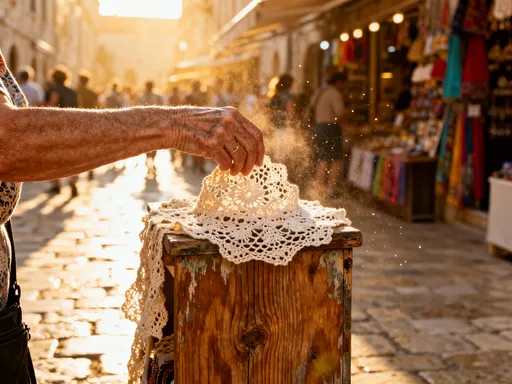
Pag lace, for instance, is a UNESCO-recognized intangible cultural heritage. Made from fine thread using a complex needle technique, each piece can take dozens of hours to complete. Authentic Pag lace is delicate, durable, and typically features floral or geometric patterns unique to the island. Imitations, however, are often machine-embroidered and sold as “lace-style” accessories. Similarly, Konavle textiles—woven in the fertile valley south of Dubrovnik—are known for bold reds, deep blues, and symbolic motifs representing fertility, protection, and regional pride. When purchasing such items, asking the seller, “Is this made in Konavle?” or “Can you tell me about the artisan?” can yield valuable insights. Most genuine makers are proud to share their process and will speak knowledgeably about materials and techniques.
Supporting small workshops over chain stores does more than ensure product quality—it sustains cultural traditions. Many artisans are elderly women preserving skills passed down from their grandmothers, working in cooperatives that provide modest but vital income. By choosing their products, travelers help keep these crafts alive. Additionally, buying directly from makers or local boutiques ensures that a greater share of the purchase price stays within the community. In contrast, souvenir chains often source globally and distribute profits to foreign investors. The difference may not be visible on the surface, but it profoundly affects the long-term cultural and economic health of the region.
Markets Over Malls: Why Farmers’ Stalls Beat Air-Conditioned Shops
For a truly immersive shopping experience, Dubrovnik’s open-air markets offer a refreshing alternative to enclosed retail spaces. The most notable is the morning market in Gundulić Square, a modest yet vibrant gathering of local vendors selling everything from seasonal produce to handmade crafts. Unlike the curated souvenir shops, this market operates on direct exchange—no intermediaries, no branding, just honest commerce rooted in community. Here, visitors can find jars of wildflower honey harvested from mountain slopes, bundles of sun-dried rosemary and sage, cold-pressed olive oil in simple glass bottles, and hand-poured beeswax candles made by family-run apiaries.
The benefits of market shopping extend beyond price. First, freshness is guaranteed. Many vendors bring goods the same morning they were harvested or produced. A jar of lavender oil from Hvar, for example, might have been distilled just two days prior, retaining a potency often lost in mass-marketed versions. Second, interaction is personal. Shoppers can ask questions, receive usage tips, and even learn family recipes—such as how to infuse olive oil with herbs for cooking or skincare. These conversations create lasting memories far richer than any trinket. Third, prices are fair. Without the overhead of a permanent storefront, vendors can offer lower margins while still earning a living wage.
More importantly, market shopping connects travelers to the rhythm of local life. The morning bustle, the exchange of pleasantries in Croatian, the careful weighing of goods on analog scales—all contribute to a deeper understanding of Dalmatian culture. It’s a world away from the transactional nature of tourist shops, where purchases are often made in silence and forgotten just as quickly. By participating in this everyday ritual, visitors move from passive observers to engaged participants. They witness how locals value quality, seasonality, and sustainability—principles that resonate deeply with many women aged 30 to 55 who prioritize mindful consumption and family well-being.
Timing Is Everything: When and How to Shop Like a Savvy Traveler
Knowing when to shop can be just as important as knowing where. Dubrovnik’s shopping landscape changes dramatically depending on the time of day and season. Cruise ships often dock early in the morning, flooding the Old Town with thousands of visitors by 9:30 a.m. Shops fill up, lines form, and the atmosphere becomes rushed. For a more relaxed and productive experience, arriving at markets or boutiques between 7:30 and 8:30 a.m. offers distinct advantages. Vendors are more available for conversation, selection is freshest, and the pace allows for thoughtful decision-making. Early risers often find themselves the only non-locals at the Gundulić market, welcomed with warm smiles and patient explanations.
Similarly, avoiding peak tourist days can enhance the shopping experience. Tuesdays and Wednesdays tend to be quieter, especially outside of July and August. Weekends, particularly during festival seasons, attract both tourists and locals, creating lively but crowded conditions. If seeking artisan pop-ups or specialty stalls, attending local events such as the Dubrovnik Summer Festival or the Feast of St. Blaise in February can be rewarding. These occasions often feature temporary markets where regional craftsmen showcase limited-edition pieces, from hand-carved wooden utensils to naturally dyed wool scarves.
Bargaining etiquette in Croatia is straightforward: it’s generally not practiced in fixed-price stores or markets, especially when purchasing food or crafts from small producers. Attempting to negotiate a lower price at a farmer’s stall can be seen as disrespectful, as prices already reflect fair value. However, in antique shops or independent boutiques, polite inquiry about discounts—particularly for multiple items—may be met with flexibility. The key is to approach with respect, not confrontation. A simple, “Is this the best price?” delivered with a smile, is more effective than aggressive haggling. Building rapport often yields better results than price pressure.
The Language of Labels: Reading Between the Lines on Price Tags
One of the most overlooked skills in ethical shopping is learning to interpret product descriptions critically. In Dubrovnik, labels often use ambiguous language designed to evoke local charm without making factual claims. Phrases like “Croatian-style,” “inspired by Dalmatian tradition,” or “made for the Adriatic market” sound authentic but lack legal or geographic specificity. These terms are carefully chosen to appeal to tourists seeking cultural connection while allowing sellers to import goods from outside Croatia. Recognizing these linguistic loopholes is essential for making informed choices.
The word “handmade” is particularly misleading. While it suggests artisanal effort, it does not guarantee origin, quality, or even human production in some cases. A ceramic ornament labeled “hand-painted” might have been mass-produced with a machine-applied base coat, then given a single hand-brushed detail to qualify for the term. True handmade goods involve the entire process being completed by hand, from shaping to finishing. To verify, look for consistency in technique, evidence of tool marks, and packaging that includes the maker’s name and location.
Asking thoughtful questions is a powerful tool. Instead of accepting vague answers, try, “Where was this item made?” or “Can you tell me about the person who crafted this?” Most honest vendors welcome such inquiries and appreciate the interest. If a seller hesitates or provides unclear responses, it may be a red flag. The goal is not to accuse, but to build confidence in making value-aligned decisions. Over time, these small interactions cultivate a deeper travel ethic—one rooted in curiosity, respect, and intentionality.
Shopping with Purpose: How Your Choices Impact the Community
Every purchase made in Dubrovnik carries weight beyond the transaction. When travelers buy from family-run studios, cooperatives, or local markets, they contribute directly to the livelihoods of real residents. A 30-euro linen table runner purchased from a Konavle weaver supports a grandmother keeping her village’s textile tradition alive. The same item bought from a souvenir chain likely funds a distribution network based outside Croatia, with minimal local benefit. This distinction matters—not just economically, but culturally. As tourism grows, the pressure to commodify heritage increases, sometimes diluting authentic practices into marketable clichés.
Tourism-driven commerce can also inflate prices for locals, making everyday goods less affordable. When rental markets shift toward short-term tourist leases, artisans struggle to maintain physical storefronts, pushing them to online platforms or remote locations. By choosing to shop outside high-traffic zones and supporting small-scale producers, travelers help counteract these trends. They become part of a sustainable cycle that values people over profit and tradition over trend.
Mindful shopping is not about perfection; it’s about awareness. It’s understanding that a souvenir doesn’t have to be perfect to be meaningful. A small jar of lavender honey, bought from a woman at the market who described how her bees forage in mountain meadows, becomes more than a gift—it becomes a story. It’s a reminder of sunlit mornings, shared smiles, and the quiet dignity of craftsmanship. For women who value connection, family, and purpose, these moments resonate far deeper than any mass-produced trinket ever could.
Conclusion: From Tourist to Thoughtful Traveler
Dubrovnik is more than a destination; it’s an invitation to engage with history, culture, and humanity in a meaningful way. Its shopping landscape, often dismissed as overpriced or inauthentic, reveals hidden depths for those willing to look closely. The lessons learned here—about value, origin, and impact—extend far beyond souvenirs. They reflect a broader philosophy of travel: one rooted in respect, curiosity, and intentionality. Avoiding the postcard trap doesn’t mean rejecting convenience; it means choosing connection over clutter, truth over trend.
By stepping outside the walls, visiting markets at dawn, asking thoughtful questions, and supporting genuine artisans, travelers transform their experience from passive consumption to active participation. They leave not with a bag full of forgettable trinkets, but with stories, relationships, and a deeper appreciation for the people who call Dubrovnik home. In a world where tourism can sometimes feel impersonal, these choices matter. They honor tradition, sustain communities, and create memories that endure long after the journey ends. So the next time you walk those sunlit streets, remember: the most valuable souvenirs aren’t found on shelves. They’re discovered in moments of connection, one mindful choice at a time.