Time Slows Down When You Know How
Aging isn’t just about wrinkles or gray hair—it’s a daily reality we all face. But what if small, science-backed changes could help you feel sharper, stronger, and more vibrant? I’ve tested habits that actually work, from sleep tweaks to movement hacks. No magic pills, just real strategies. Here’s what experts agree on and what I’ve seen in my own life. Let’s explore how to age well—naturally and effectively. The truth is, time doesn’t have to feel like a force pulling you forward. With the right knowledge and consistent choices, you can influence how your body and mind respond to the years. Aging is inevitable, but decline is not.
The Truth About Aging: What Really Happens to Your Body
Aging is not a disease. It’s a natural, biological process shaped by time, genetics, and lifestyle. At the cellular level, changes begin long before visible signs appear. One of the most significant shifts involves telomeres—tiny protective caps at the ends of chromosomes. With each cell division, these telomeres shorten. When they become too short, cells can no longer divide and either die or enter a state of dysfunction. This gradual loss is linked to tissue aging and reduced organ efficiency. Scientists have found that people with longer telomeres tend to have lower risks for age-related conditions, though the relationship is complex and influenced by multiple factors.
Another key change is the slowing of metabolism. After age 30, metabolic rate declines by about 1–2% per decade, primarily due to loss of muscle mass and changes in hormone levels. This means fewer calories are burned at rest, making weight management more challenging without adjustments in diet or activity. Hormonal shifts also play a role. For example, women experience a significant drop in estrogen during menopause, which can affect bone density, skin elasticity, and sleep quality. Men see a gradual decline in testosterone, which influences energy, muscle strength, and mood. These changes are normal, not abnormal, and do not signal failure—but they do signal the need for awareness and adaptation.
Despite common myths, aging does not mean inevitable decline. Research shows that many so-called signs of aging—like fatigue, stiffness, or memory lapses—are often the result of inactivity, poor nutrition, or chronic stress rather than time itself. The brain, for instance, retains its ability to form new connections throughout life, a quality known as neuroplasticity. Similarly, muscle can be built and maintained at any age with proper training. The body is remarkably resilient when supported with consistent care. Understanding these biological truths empowers better decisions. Instead of fearing aging, we can learn to work with it, making choices that preserve function, energy, and well-being.
Why Most Anti-Aging Hacks Fail (And What Actually Works)
The market is flooded with anti-aging solutions promising quick fixes—detox teas, miracle creams, unregulated supplements. Yet, most of these products lack scientific backing and often disappear as fast as they appear. The reason they fail isn’t just because they don’t work; it’s because they focus on symptoms, not root causes. True aging support comes not from isolated interventions but from daily habits that influence cellular health, inflammation levels, and metabolic function over time. Lasting change isn’t flashy. It’s quiet, consistent, and often overlooked.
Take extreme diets, for example. Low-calorie fasting or juice cleanses may lead to short-term weight loss, but they rarely result in long-term benefits. In some cases, they can even accelerate muscle loss and slow metabolism further—counterproductive for healthy aging. Similarly, many supplements marketed for longevity—like high-dose antioxidants or exotic extracts—have not been proven to extend life in humans. Some may even interfere with natural cellular repair processes. The body’s systems are finely tuned; flooding them with unbalanced inputs can do more harm than good.
What does work are evidence-based, sustainable habits. These include maintaining stable blood sugar through balanced meals, staying hydrated, managing stress, and getting consistent, high-quality sleep. These actions may seem simple, but their impact is profound. For instance, chronic dehydration can impair cognitive function and reduce skin elasticity, mimicking signs of premature aging. Meanwhile, long-term stress elevates cortisol, a hormone linked to increased belly fat, weakened immunity, and memory issues. By addressing these underlying factors, you support your body’s natural ability to repair and renew. The key is consistency, not intensity. Small choices, repeated daily, create the foundation for lasting vitality.
Move It or Lose It: How Physical Activity Slows Cellular Aging
Physical activity is one of the most powerful tools for slowing biological aging. It does more than improve strength or balance—it influences the very cells that make up your body. Studies show that people who engage in regular exercise tend to have longer telomeres than their sedentary peers, suggesting that movement helps protect against cellular aging. Exercise also supports mitochondrial health—the energy factories within cells—ensuring they function efficiently and produce less harmful oxidative stress. Over time, this translates to better endurance, faster recovery, and reduced risk of chronic disease.
Different types of movement offer distinct benefits. Aerobic exercise, such as brisk walking, cycling, or swimming, improves cardiovascular health and increases oxygen flow to the brain and muscles. Just 30 minutes a day, five times a week, can significantly lower the risk of heart disease and type 2 diabetes. Strength training is equally important. As we age, we naturally lose muscle mass—a condition called sarcopenia. Resistance exercises, even with light weights or bodyweight movements, help preserve and rebuild muscle, which in turn supports metabolism, balance, and independence. Flexibility and balance practices, like yoga or tai chi, reduce the risk of falls and improve joint mobility, making daily tasks easier and safer.
The good news is that you don’t need to run marathons or spend hours in the gym. The most effective routines are those that fit into real life. A 10-minute walk after meals aids digestion and blood sugar control. Standing up and stretching every hour breaks long periods of sitting, which is independently linked to poor health outcomes. Gardening, dancing, or playing with grandchildren all count as movement. The goal is not performance but consistency. When physical activity becomes a natural part of your day, your body responds with greater resilience. Over months and years, this adds up to a stronger, more capable you—someone who doesn’t just age, but ages well.
Eat for Longevity: The Plate That Fights Time
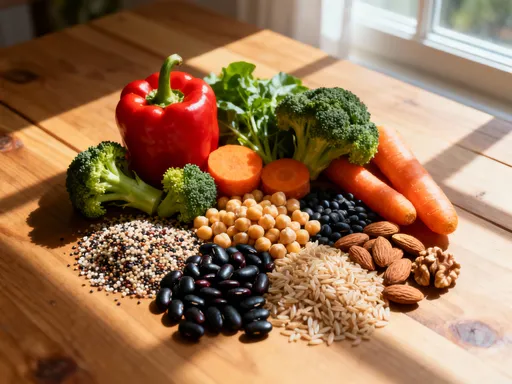
Diet is a cornerstone of healthy aging. What you eat directly affects inflammation, energy levels, and cellular repair. Rather than focusing on restrictive diets or trending superfoods, research supports eating patterns that emphasize whole, minimally processed foods. The Mediterranean diet, for example, has been consistently linked to longer life spans and lower rates of heart disease, cognitive decline, and certain cancers. It’s not a strict regimen but a flexible approach centered on vegetables, fruits, whole grains, legumes, nuts, olive oil, and moderate amounts of fish and poultry.
One of the most powerful aspects of this eating style is plant diversity. Eating a wide variety of colorful plants provides a broad spectrum of antioxidants, fiber, and phytonutrients—natural compounds that protect cells from damage. Each color represents different beneficial compounds: red from tomatoes (lycopene), orange from carrots (beta-carotene), green from leafy vegetables (lutein), and purple from berries (anthocyanins). The more varied your plate, the more support your body receives. Fiber, in particular, plays a critical role. It feeds beneficial gut bacteria, which influence immune function, mood, and even brain health. A healthy gut microbiome is increasingly recognized as a key factor in longevity.
Portion awareness is also essential. As metabolism slows, overeating—even healthy foods—can lead to weight gain and metabolic strain. Mindful eating practices, such as eating slowly, stopping before feeling full, and paying attention to hunger cues, help maintain balance. Hydration should not be overlooked either. Water supports every bodily function, from circulation to temperature regulation. Many older adults consume less fluid due to reduced thirst sensitivity, increasing the risk of dehydration. Drinking water throughout the day, especially with meals, helps maintain energy and cognitive clarity. Ultimately, longevity eating is not about perfection. It’s about patterns—consistent choices that nourish the body and support long-term well-being.
Sleep: Your Body’s Nightly Reset Button
Sleep is not downtime. It’s an active, essential process during which the body repairs tissues, consolidates memories, and clears waste from the brain. Poor sleep doesn’t just leave you tired—it accelerates biological aging. Chronic sleep deprivation is linked to shorter telomeres, increased inflammation, and higher risks for conditions like diabetes, heart disease, and cognitive decline. During deep sleep, the brain’s glymphatic system becomes highly active, flushing out toxins like beta-amyloid, a protein associated with Alzheimer’s disease. Without sufficient rest, this cleanup process is impaired, allowing damage to accumulate over time.
Yet, sleep quality often declines with age. Changes in circadian rhythm can make it harder to fall asleep early or stay asleep through the night. Disruptions from pain, medications, or stress further complicate rest. The good news is that sleep hygiene—habits that support healthy sleep—can make a significant difference. Going to bed and waking up at the same time every day, even on weekends, helps regulate your internal clock. Exposure to natural light in the morning reinforces this rhythm, while reducing screen time before bed minimizes blue light, which suppresses melatonin, the sleep hormone.
Your sleep environment also matters. A cool, dark, and quiet room promotes deeper rest. Using the bed only for sleep and intimacy strengthens the mental association between bed and rest. Avoiding heavy meals, caffeine, and alcohol in the evening prevents disruptions. If you struggle with nighttime awakenings, getting out of bed and doing a quiet activity—like reading a book—until you feel sleepy can prevent frustration and retrain your brain. Napping can be helpful if kept short (20–30 minutes) and early in the day. Over time, these practices help restore natural sleep patterns. Quality rest isn’t a luxury—it’s a biological necessity. When you prioritize sleep, you give your body the time it needs to reset, recover, and thrive.
Stress, Mindset, and the Aging Brain
Chronic stress is one of the most insidious accelerators of aging. When stress becomes constant, the body remains in a state of heightened alert, flooding the system with cortisol and adrenaline. Over time, this leads to wear and tear on multiple systems, a concept known as allostatic load. High cortisol levels are linked to memory problems, weakened immunity, increased abdominal fat, and even shrinkage in brain regions responsible for learning and emotional regulation. The mind-body connection is powerful: how you manage stress directly influences how you age.
The good news is that protective habits can counteract these effects. Mindfulness practices, such as meditation, deep breathing, or gentle yoga, activate the parasympathetic nervous system—the body’s “rest and digest” mode. Even 10 minutes a day can reduce stress hormones and improve emotional resilience. Social connection is another powerful buffer. Strong relationships provide emotional support, reduce feelings of isolation, and are linked to longer, healthier lives. Engaging in meaningful conversations, volunteering, or simply spending time with loved ones boosts mood and cognitive health.
Mental engagement is equally important. The brain, like a muscle, strengthens with use. Reading, learning new skills, solving puzzles, or playing music stimulate neural connections and support cognitive reserve—the brain’s ability to adapt and function despite age-related changes. These activities don’t have to be intense. Simple routines, like writing in a journal, trying a new recipe, or walking a different route, introduce novelty and keep the mind active. A positive mindset also plays a role. People who view aging as a time of growth and opportunity tend to experience better health outcomes than those who see it as decline. Cultivating gratitude, purpose, and self-compassion creates a foundation for emotional well-being. Aging well isn’t just about the body—it’s about nurturing the mind and spirit, too.
Putting It All Together: A Realistic Anti-Aging Plan You Can Stick To
Healthy aging isn’t about doing everything perfectly. It’s about making consistent, manageable choices that support your body and mind over time. The six pillars—understanding aging, moving regularly, eating whole foods, sleeping well, managing stress, and staying mentally active—work best when integrated into daily life. Start small. Pick one area to focus on, like adding a 15-minute walk after dinner or drinking an extra glass of water each day. Small wins build confidence and momentum.
Think in terms of patterns, not perfection. If you miss a workout or eat something indulgent, it doesn’t erase progress. What matters is the overall trend. Use gentle tracking—like a journal or app—to notice subtle improvements in energy, mood, or sleep. Celebrate non-scale victories, such as climbing stairs with ease or remembering names more quickly. These are signs that your body is responding.
Create a routine that fits your life. Schedule movement like any other appointment. Prepare healthy snacks in advance. Set a bedtime alarm to start winding down. Find stress-relief practices that feel good—whether it’s listening to music, gardening, or talking with a friend. Surround yourself with supportive habits, not rigid rules. And remember, you’re not alone. Many women in their 30s, 40s, 50s, and beyond are making these same changes, not to look younger, but to feel stronger, clearer, and more in control.
Aging is not something to fight. It’s something to navigate with wisdom and care. Time moves forward, but how you move with it is within your power. By choosing habits that honor your body’s needs, you create a life of vitality, purpose, and grace. The goal isn’t to stop the clock—but to make every tick count.