Glow From the Inside: How My Workout Routine Transformed My Skin
Ever noticed how some people have that unbeatable natural glow? I used to think it was genetics—until I started paying attention to how exercise changed my skin. It wasn’t overnight, but within weeks, my face looked clearer, felt tighter, and had a brightness I couldn’t fake with skincare alone. Turns out, science backs this up: movement boosts circulation, reduces inflammation, and supports skin health from within. This isn’t about extreme fitness—it’s about smart, sustainable motion that works for real life. What began as a personal curiosity grew into a deeper understanding: true radiance isn’t layered on, it’s cultivated. And the foundation isn’t in a jar—it’s in the rhythm of daily movement.
The Skin-Exercise Connection: More Than Just Sweat
For years, the beauty narrative has centered on topical solutions: cleansers, serums, moisturizers, and sunscreens. While these are essential, they address only half the story. The other half unfolds beneath the surface, where physiology meets appearance. The skin is the body’s largest organ, and like any organ, its health depends on internal systems functioning optimally. Exercise plays a pivotal role in this process, not as a cosmetic shortcut but as a biological catalyst.
One of the most immediate effects of physical activity is enhanced blood circulation. When you move, your heart pumps faster, sending oxygen-rich blood through capillaries that extend into the dermis. This increased flow delivers vital nutrients—such as vitamins A and C, both crucial for skin repair—and removes metabolic waste products like carbon dioxide and free radicals. Over time, this process supports cellular turnover, helping dead skin cells shed more efficiently and revealing fresher, more even-toned skin underneath.
Equally important is exercise’s role in hormone regulation. Chronic stress elevates cortisol, a hormone linked to increased oil production, inflammation, and weakened skin barrier function. Elevated cortisol levels can lead to breakouts, sensitivity, and a dull complexion. Regular physical activity helps modulate cortisol, particularly when done consistently and at moderate intensity. Studies published in the Journal of Clinical Endocrinology & Metabolism confirm that individuals who engage in regular aerobic exercise exhibit lower baseline cortisol levels, which translates to calmer, clearer skin.
Additionally, research from the Journal of Investigative Dermatology demonstrates that physically active adults show improved skin barrier integrity and higher levels of collagen compared to sedentary counterparts. Collagen, the protein responsible for skin’s firmness and elasticity, naturally declines with age. However, those who maintain an active lifestyle appear to delay this decline, suggesting that movement may help preserve youthful skin structure over time. These findings reinforce the idea that fitness is not just about strength or endurance—it’s also a form of preventive skincare.
Why Traditional Skincare Isn’t Enough
There’s no denying the value of a solid skincare routine. Cleansing removes impurities, moisturizing maintains hydration, and sunscreen protects against UV damage. Yet, even the most diligent regimens can fall short when internal imbalances persist. Imagine watering a plant while its roots are suffocated—the leaves may look healthy temporarily, but without proper nourishment from below, long-term vitality suffers.
Poor circulation, for example, can leave the skin looking sallow and lifeless, regardless of how many brightening serums are applied. Dehydration at the cellular level—often due to inadequate water intake or excessive sodium consumption—can cause fine lines to appear more pronounced and the complexion to feel tight. Oxidative stress, caused by environmental pollutants, poor diet, and lack of sleep, generates free radicals that damage skin cells and accelerate aging. These internal stressors undermine even the most expensive topical treatments.
Consider a common scenario: a woman in her 40s uses a high-end vitamin C serum every morning, applies retinol at night, and never skips SPF. Yet she still wakes up with puffy eyes, uneven texture, and a lackluster tone. What’s missing? Often, it’s lifestyle factors—particularly physical inactivity. Without movement to stimulate lymphatic drainage and microcirculation, fluids can pool under the eyes, and toxins may linger in tissues, contributing to puffiness and dullness.
This is not to diminish the importance of skincare, but to reframe it. Topical products work best when supported by a body functioning well from within. Think of skincare as the polish, and exercise as the foundation. One enhances, the other sustains. When both are in harmony, the results are more than visible—they’re lasting. The skin becomes a mirror of overall wellness, reflecting not just what is applied, but what is lived.
The Science of Sweat: How Movement Fuels Skin Renewal
Sweat often gets a bad reputation—blamed for clogged pores and breakouts. But the truth is more nuanced. While sweat itself doesn’t “detox” the skin in the way some wellness trends claim, it does play a supportive role in skin health when paired with proper hygiene. More importantly, the physiological changes triggered by exercise go far beyond perspiration.
Aerobic exercise—such as brisk walking, cycling, or swimming—elevates heart rate and enhances microcirculation in the dermis. This means more oxygen reaches skin cells, which rely on it for energy and repair. Improved circulation also aids in the removal of waste products, reducing oxidative stress in the skin. A study in the European Journal of Applied Physiology found that just 20 minutes of moderate-intensity cycling increased blood flow to the skin by up to 30%, a change that supports faster cell regeneration and a more radiant appearance.
Resistance training, including bodyweight exercises, weight lifting, or resistance band workouts, activates muscle fibers and stimulates the release of growth hormone and insulin-like growth factor 1 (IGF-1). These hormones are directly involved in collagen synthesis and tissue repair. Over time, consistent strength training can improve skin thickness and elasticity, particularly in older adults. A 2015 study from McMaster University showed that previously sedentary individuals over 65 who engaged in regular resistance training for three months exhibited skin that resembled that of much younger people—both in structure and cellular composition.
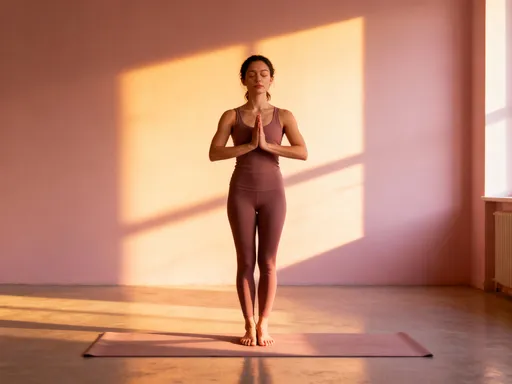
Mind-body practices like yoga and tai chi offer a different but equally valuable contribution. These forms of movement reduce stress hormones such as cortisol and adrenaline, which, when chronically elevated, contribute to inflammation and premature aging. Yoga, in particular, incorporates postures that encourage blood flow to the face—such as downward dog and child’s pose—while deep breathing enhances oxygenation. Participants in a 12-week yoga program reported not only reduced stress but also improvements in skin clarity and reduced acne flare-ups, according to findings in the International Journal of Yoga.
It’s important to clarify a common misconception: sweat does not “cleanse” pores. Pores do not open and close like doors; they are openings anchored by sebaceous glands. Sweat comes from sweat glands, not pores, and while it can mix with dirt and oil on the skin’s surface, it doesn’t carry toxins from deep within the body. However, the increased blood flow and lymphatic circulation during exercise do support the body’s natural detoxification systems, including the liver and kidneys. So while sweating isn’t a magic purge, it is a sign that your body is actively working—and that includes your skin.
Building a Skin-Boosting Fitness Routine (Without Overdoing It)
The idea of transforming your skin through exercise doesn’t require marathon training or hour-long gym sessions. In fact, excessive or overly intense workouts can increase inflammation and cortisol, counteracting the very benefits you’re seeking. The key is consistency, balance, and sustainability—especially for women juggling family, work, and personal responsibilities.
A well-rounded weekly routine should include three components: cardiovascular activity, strength training, and flexibility work. For cardiovascular health and circulation, aim for at least 150 minutes of moderate-intensity aerobic exercise per week, as recommended by the American Heart Association. This can be broken into five 30-minute sessions—such as brisk walking around the neighborhood, dancing to music at home, or using a stationary bike while watching the evening news.
Strength training should be included two to three times per week, focusing on major muscle groups. Bodyweight exercises like squats, lunges, push-ups (modified if needed), and planks are effective and require no equipment. Resistance bands are affordable, portable, and ideal for home use. Even 15 to 20 minutes of strength work can stimulate muscle and collagen production, supporting firmer, more resilient skin over time.
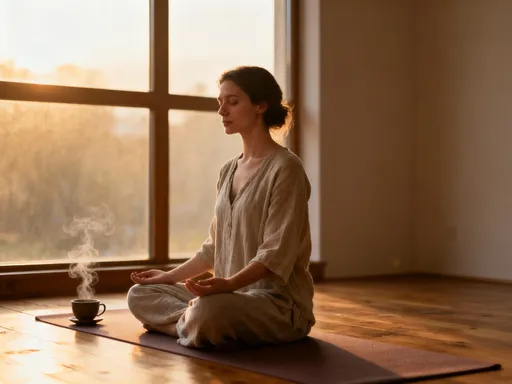
Flexibility and relaxation practices should not be overlooked. Incorporating yoga, stretching, or tai chi two to three times a week helps maintain joint mobility, reduces muscle tension, and supports stress management. These practices also encourage mindful breathing, which enhances oxygen delivery to tissues—including the skin.
For those with limited time, combining elements into a single session can be effective. A 30-minute routine might include 10 minutes of brisk walking, 10 minutes of bodyweight exercises, and 10 minutes of stretching. The goal is not perfection, but progress. Research consistently shows that moderate, regular movement yields greater long-term benefits than sporadic, intense efforts. It’s not about pushing harder—it’s about showing up, consistently, for your body.
Timing Matters: When and How to Exercise for Optimal Skin Response
When you exercise can influence how your body—and your skin—responds. Circadian rhythms regulate hormone levels, body temperature, and metabolic activity throughout the day. Cortisol, for example, naturally peaks in the morning, helping you wake up and feel alert. Engaging in physical activity during this window—such as a morning walk or yoga session—can help modulate cortisol more effectively, reducing the risk of chronic elevation that leads to inflammation and breakouts.
Morning exercise has another advantage: it jump-starts circulation early in the day, promoting a healthy flush that can last for hours. Many women report that they feel more awake and their skin looks more vibrant after a morning workout. Additionally, exposure to natural daylight helps regulate melatonin production, which supports better sleep—a critical factor in skin repair and renewal.
Regardless of the time of day, post-exercise skincare is essential. Sweat, when left on the skin for too long, can mix with bacteria and oil, potentially leading to clogged pores and irritation. It’s important to cleanse the face gently after a workout, using a mild, non-stripping cleanser. Avoid harsh scrubs or alcohol-based toners, which can disrupt the skin’s natural barrier.
Hydration is equally crucial. Replenishing fluids lost through sweat helps maintain skin elasticity and prevents dehydration-related dryness. Drinking water before, during, and after exercise supports both internal and external hydration. Applying a lightweight moisturizer and an antioxidant serum—such as one containing vitamin C—can further protect the skin from free radical damage caused by increased metabolic activity.
One often-overlooked tip: avoid exercising with makeup on. Foundation, concealer, and powders can trap sweat and bacteria against the skin, increasing the likelihood of breakouts. If wearing sunscreen is necessary—especially for outdoor workouts—opt for a non-comedogenic, mineral-based formula that won’t clog pores. A simple pre-workout routine—washing the face or using a gentle wipe—can make a significant difference in preventing irritation and maintaining clarity.
Real Results, Not Hype: Tracking Skin Changes Over Time
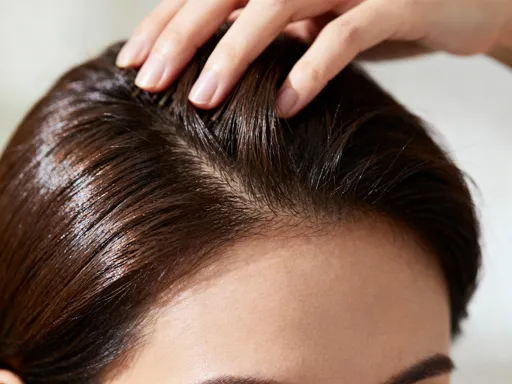
Transformations in skin health due to exercise are rarely immediate. Unlike a new serum that may deliver temporary plumping, the benefits of movement build gradually. Most women begin to notice changes within four to eight weeks of consistent activity. These improvements are not flashy, but they are meaningful: a more even skin tone, reduced under-eye puffiness, a firmer jawline, and a natural glow that doesn’t wash off.
Tracking progress can help maintain motivation and provide clarity. Taking weekly photos in natural light—facing the same direction, with minimal makeup—can reveal subtle shifts that aren’t obvious day to day. Keeping a journal to note energy levels, sleep quality, and skin texture can also highlight connections between lifestyle habits and appearance.
It’s important to set realistic expectations. Not every woman will experience dramatic changes, and that’s okay. Individual results depend on a range of factors, including age, genetics, diet, sleep, and existing health conditions. A woman in her 30s may notice improved radiance and fewer breakouts, while a woman in her 50s might observe better elasticity and reduced sagging. The journey is personal, not prescriptive.
What matters most is the cumulative effect. Over months and years, regular movement contributes to a complexion that looks not just younger, but healthier. And health is not measured solely by appearance—it’s reflected in how you feel. Many women report that as their skin improves, so does their confidence, energy, and overall sense of well-being. This synergy between inner and outer health is where true transformation occurs.
Beyond the Mirror: Long-Term Skin and Wellness Synergy
The benefits of exercise extend far beyond skin deep. While a radiant complexion is a welcome side effect, the real reward is lifelong vitality. Sustained physical activity supports slower skin aging by preserving collagen, reducing inflammation, and enhancing cellular repair. But it also strengthens the immune system, improves sleep quality, and helps regulate mood—factors that indirectly but profoundly influence skin health.
Quality sleep, for instance, is when the skin undergoes its most intensive repair. Growth hormone peaks during deep sleep, stimulating collagen production and tissue regeneration. Women who exercise regularly often report falling asleep faster and experiencing deeper, more restorative rest—creating a positive feedback loop for skin renewal.
Emotional well-being also plays a role. Chronic stress accelerates aging through oxidative damage and inflammation. Exercise acts as a natural mood stabilizer, increasing endorphins and reducing anxiety. When you feel calmer and more balanced, it shows—not just in your demeanor, but in your skin. The reduction in stress-related breakouts, redness, and tension lines is often one of the first changes women notice.
Ultimately, exercise should not be viewed as a beauty hack or a quick fix. It is a foundational habit—one that nurtures the body as a whole. When you move regularly, you’re not just working out to look better. You’re investing in a system that functions better, heals better, and ages more gracefully. The glow you see in the mirror is not an accident; it’s a reflection of care, consistency, and commitment.
For women in their 30s, 40s, 50s, and beyond, this kind of self-investment is empowering. It shifts the focus from correction to prevention, from surface to substance. And while skincare products will always have their place, they become more effective when supported by a body that is moving, breathing, and thriving.
Before beginning any new fitness routine, especially with pre-existing health conditions such as heart disease, diabetes, or joint issues, it’s important to consult a healthcare professional. Personalized guidance ensures safety and sustainability, making long-term success more achievable. The goal is not to achieve perfection, but to create a routine that fits your life—one that lets your health, and your skin, glow from the inside out.